R & D and Industrial Experience
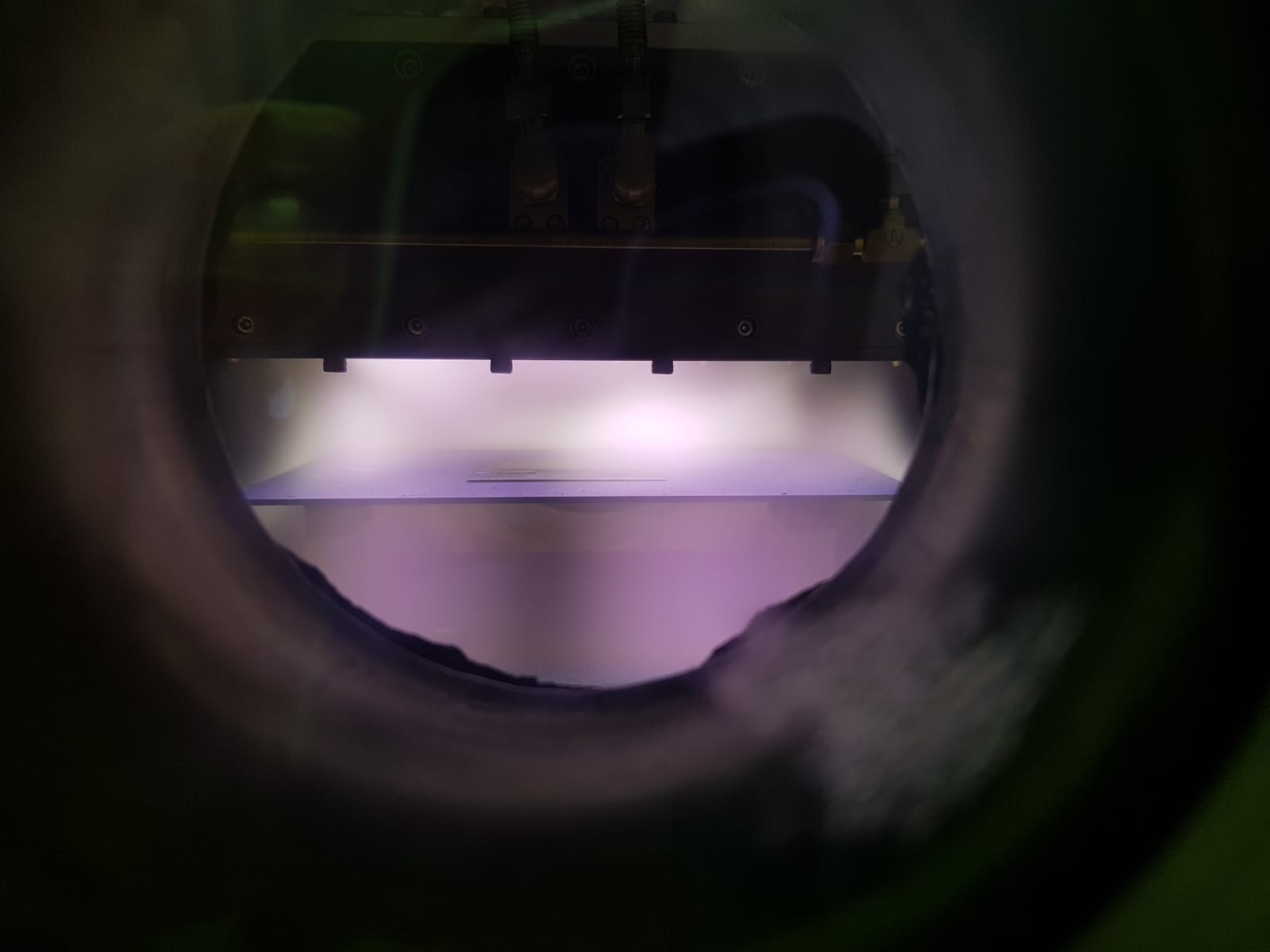
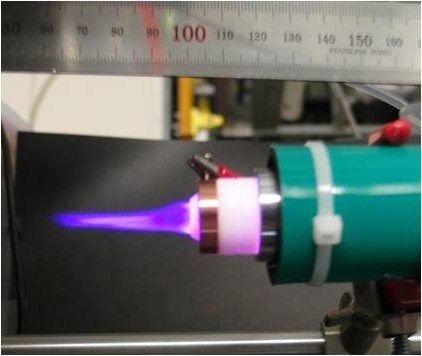
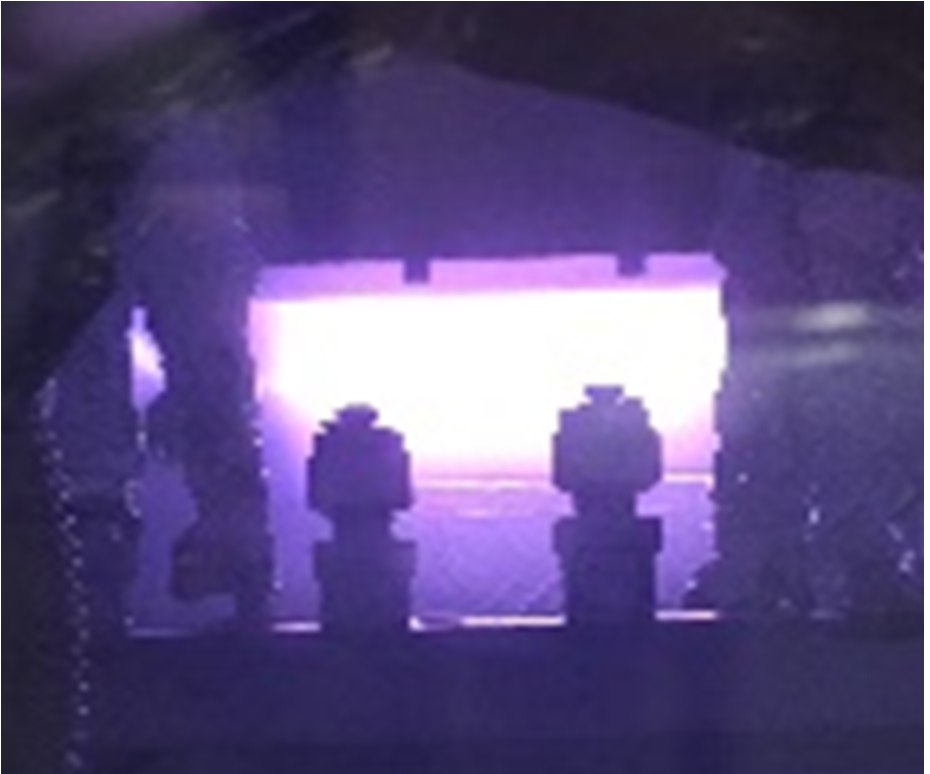
Major contribution to the Plasma Science and Technology (during stay at Sungkyunkwan University (SKKU), South Korea)
Development of:
- hybrid plasma sources for their extended applications.
- advanced plasma processes for their applications in thin film deposition and etching.
- electronic, bio- and energy materials using plasma based deposition methods like magnetron sputtering and plasma enhanced chemical vapor deposition (PECVD), etc. Materials Developed: Low-temperature and high rate deposition of Si based thin films (nano-crystalline Si, amorphous Silicon Nitride, and Si quantum dots), Cu thin films, transparent conductive oxide (TCO) films, and LMO films for LIB, utilizing novel plasma processes.
- small to large area atmospheric pressure plasma source for medicinal and agriculture applications.

Highlight of interdisciplinary work undertaken
Project | 01 Advanced Plasma process and diagnostics for plasma etching
(I worked at the Nagoya University Japan for the execution of project.)
Goal:
- Strategy for developing High Aspect ratio plasma etching
- Development of advanced Optical diagnostics
Flurocarbon plasmas are nowadays widely used for the plasma etching processes in various capacitively coupled plasma (CCP) reactors. However, in spite of the importance of discharges using flurocarbon gases for plasma processing of SiNx, SiOx, etc. for microelectronics, the connection between fundamental plasma parameters, negative ions, and the kinetics of plasma and its species formation in such plasmas is not yet fully understood.
We combinely utilized RF compensated LP and laser photodetachment techniques to study the dynamics of plasma parameters and negative ions in dual frequency pulsed plasmas in relation to the applied pulse. Using plasma control the optimized etching conditions were investigated.
Recent Publication(s):
- B. B. Sahu, K. Nakane, K. Ishikawa, M. Sekine, T. Tsutsumi, T. Gohira, Y. Ohya, N. Ohno and M. Hori,
"Study of optical emission spectroscopy using modified Boltzmann plot in dual frequency synchronized
pulsed capacitively coupled discharges with DC bias at low-pressure in Ar/O2/C4F8 plasma etching
process" Phys. Chem. Chem. Phys., 2022, DOI: 10.1039/D2CP00289B.
https://doi.org/10.1039/D2CP00289B
Conference Papers:
- B. B. Sahu, M. Sekine, T. Tsutsumi, K. Ishikawa, H. Shogo, H. Tanaka, N. Ohno, and M. Hori, “Simple external filter and tuning for operation in dual radio frequency plasmas using compensated Langmuir probe” [ISPlasma2022/ IC-PLANTS2022 conference, hybrid Symposium, March 6-10, 2022, Nagoya University, Japan].
- B. B. Sahu, H. Shogo, T. Tsutsumi, N. Britun, M. Sekine, K. Ishikawa, H. Tanaka, T. Gohira, Y. Ohya, N. Ohno and M. Hori, “Study of Electron Behavior using Laser Photo detachment and Dual Frequency compensated Langmuir probe in pulsed plasma etching processes” [1ST Grobal plasma forum, February 01, 2022 at Center for Low-temperature Plasma Sciences (cLPS), Hybrid conference, Nagoya University, Japan].
- B. B. Sahu, S. Hattori, T. Tsutsumi, N. Britun, M. Sekine, K. Ishikawa, H. Tanaka, T. Gohira, Y. Ohya, N. Ohno and M. Hori, “Measurements of negative ion density and plasma parameters in Ar/O2/C4F8 etching plasmas by Langmuir probe-assisted laser photodetachment” [ISPlasma2021/ IC-PLANTS2021 conference,Virtual Symposium, March 7-11, 2021, Nagoya University, Japan].
Material etched: SiO2
Advanced Hybrid plasma based PECVD
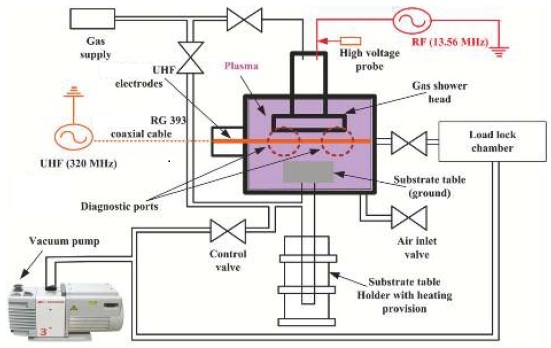
RF/UHF Hybrid plasma source for Energy and Electronic materials with several plasma diagnostics
- BB Sahu and JG Han, Phys. Plasmas 23, 053514 (2016)
- BB Sahu and JG Han, Phys. Plasmas 23, 123504 (2016)
Materials developed: Si based: a-SiNx, a-Si, nc-Si, and Si Q-dots
Project | 02 RF/UHF hybrid plasmas for basic studies and industrial applications
(I worked at the Sungkyunkwan University Korea for the execution of project with an industry partner.)
Major Goal:
- Development of 320 MHz and 850 MHz UHF sources
- lectron heating in single and dual frequency CCP plasmas
- Applied to High rate and room temperature deposition of Energy materials
- Higher dissociation of molecular species and simultaneously higher ionization or high plasma density by UHF source
- Energy control by RF source
- RF/UHF Hybrid plasma has produced low Te and high plasma density.
- Electron heating dynamics changed due to combined effect of RF and UHF power.
- Power mainly couples to the plasma via Stochastic heating in hybrid plasmas.
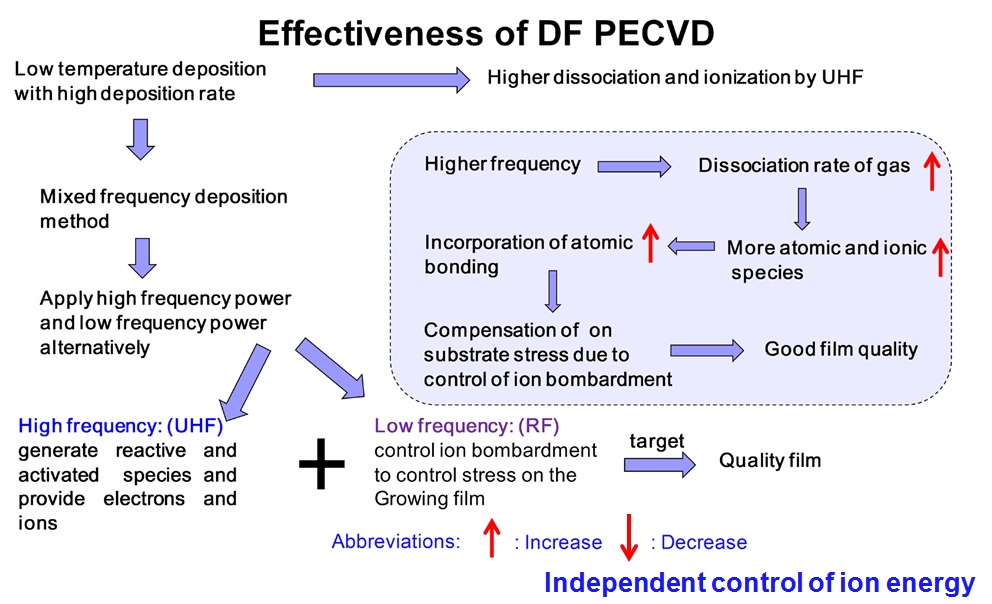 Fabrication of Si-based Solar films: a-Si, nc-Si, Si Q-dots
- Sahu et al. Phys.Chem.Chem.Phys.18, 13033 (2016)
Materials developed: Si based: a-SiNx
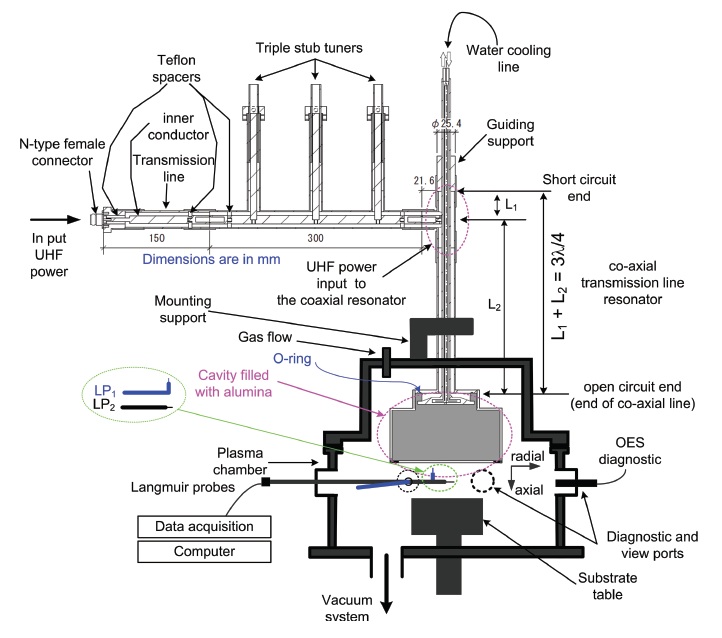
An 850 MHz ultra-high frequency plasma source with RF 13.56 MHz for PECVD applications for different kinds of materials
- Sahu et al. AIP Advances 7, 105213 (2017)
Project | 03 Novel Plasma process and diagnostics for large area applications
(I worked at the Sungkyunkwan University Korea for the execution of project.)
Outputs:
- Development of large area plasma source with > 90 % film uniformity
- Deposition of Flexible barrier films
FConventional and multiple-hole hollow cathode (MHHC) showerhead electrodes of an RF capacitively coupled plasma (CCP) source were designed to study their capability of plasma generation and suitability of plasma application like PECVD. The plasma characteristics of the CCPs were critically examined for the PECVD plasmas produced by various source configurations. The optimum performance in terms of high-density plasma generation and high emission intensity of excited species was observed for the operation using MHHC discharge. The desired flexible barrier films were fabricated with improved properties.
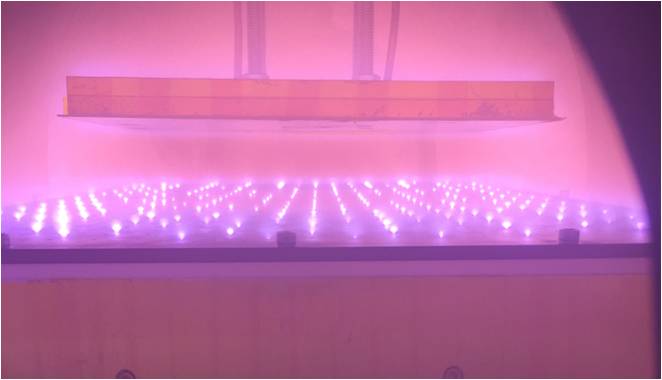
A large area plasma source for large area processing
- Based on Sahu et al. Vacuum 160, 316 (2019)
- Materials developed : a-SiNx
Project | 04 Magnetron plasma sources and plasma diagnostics for functional materials
(I worked at the Sungkyunkwan University Korea for the execution of project.)
Goal:
- Development of plasma source and plasma control for getting desired film properties
- Deposition of TCO and Bio-materials
The new trend of thin film synthesis required in digital electronics and optoelectronic industry is reduction of film thickness and damage with crystalline structure at very low temperature less than 100C. However, it is well known that crystalline structures’ synthesis of most oxides films at low temperature cannot be achieved by conventional magnetron sputtering due to limited energy flux for crystallization.
We have made new design and control of film process with novel magnetron sputtering. The magnetic field was confined to 3 dimensional hollow type configuration with additional rectangular side wall mode on planar magnetic configuration. The discharge behaviour and plasma parameters of novel magnetron sputtering source were compared with those of conventional planar magnetron sputtering source. The discharge characteristics and corresponding particles deposition behaviour were observed to be significantly changed.
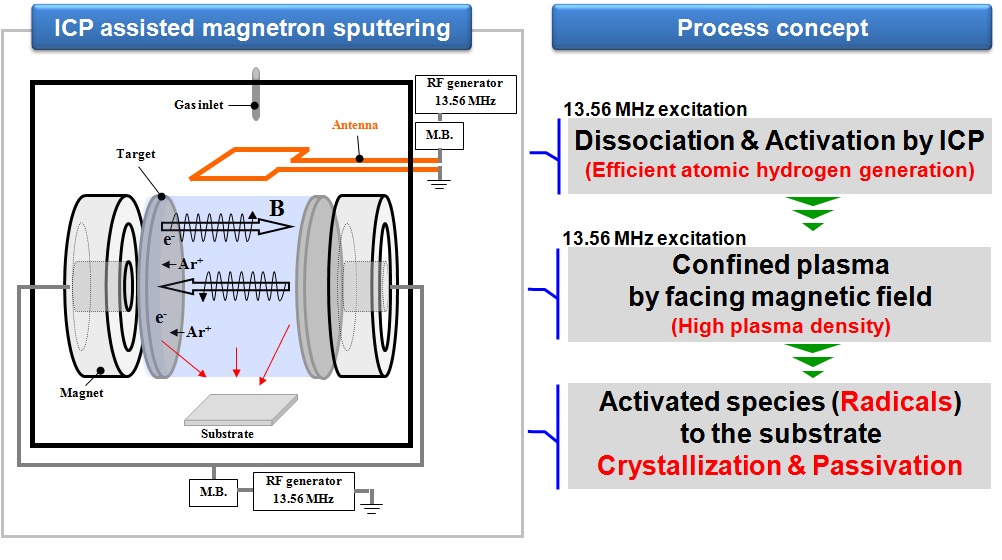
Advanced hybrid magnetron sputtering processes
- Sahu et al. J. Phys. D: Appl. Phys. 48 (2015) 475303
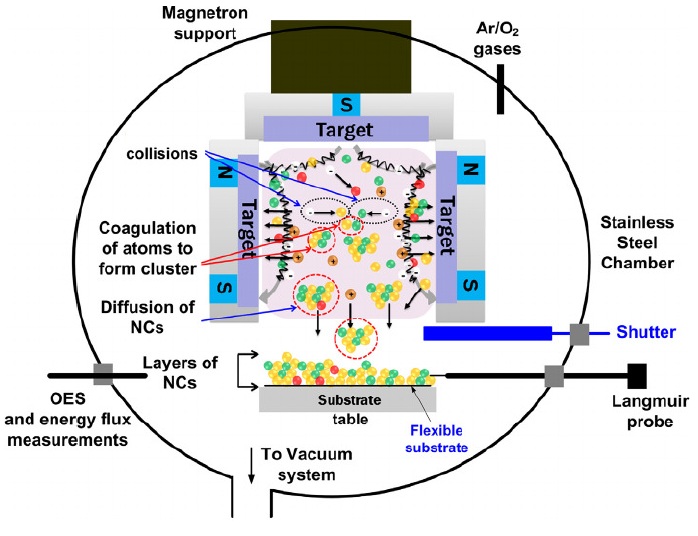
- Sahu et al. ScriptaMaterialia 149, 98 (2018)\
- BB Sahu et al. PHYS. REV. APPLIED 10, 054042 (2018)
Materials developed by hybrid plasmas:
Project | 05 Atmospheric plasmas and diagnostics for Bio applications
(I worked at the Sungkyunkwan University Korea for the execution of project)
Goal:
- Development of APP plasma jet and DBD plasma sources
- Plasma diagnostics in APP plasmas
- Bio Applications
Atmospheric pressure plasma (APP) jets or plasma plumes have recently shown the potential for applications such as plasma surface modification and plasma medicine. These applications need insight into their plasma chemistry and discharge behavior, which are strongly influenced by the plasma parameters. In contrast to conventional APP jet devices, we utilized a combination of six electrodes, and the outer ground electrodes were separated by Teflon to form a moderate-sized plasma column of nearly 10 mm.
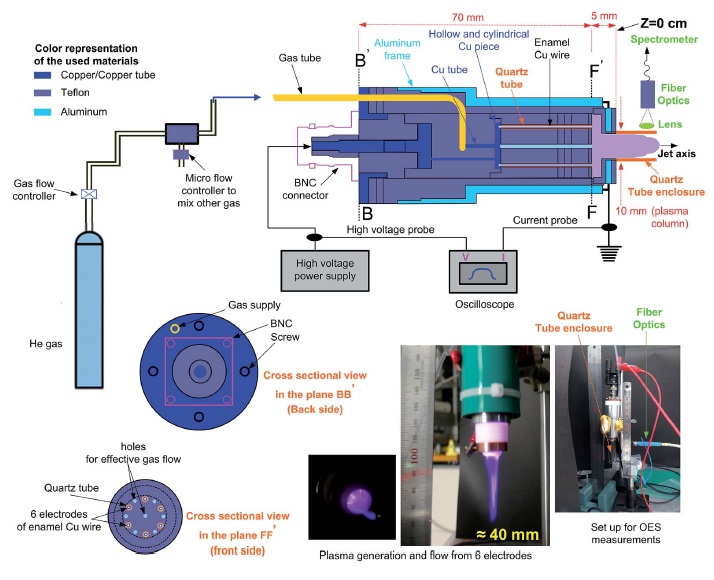
APP jet with 10 mm plasma column for Bio- and healthcare applications
- Sahu et al. J. Anal. At. Spectrom., 2017, 32, 782-795
Project | 06 Supported for the then KSTAR's plan of up gradation of heating and current drive system
Goal:
- KSTAR had a goal to upgrade the heating and current drive systems for high beta and long pulse operation of tokamak
I have supported the heating and current drive team at KSTAR, NFRI Korea. I have done some computations using Brambilla and Toray-GA codes to extract the information on the abilities of heating systems. Based on Toray-GA computations, I have proposed the operation for 105 GHz and 140 GHz dual frequency gyrotron for effective utilization of ECCD. Also, I have designed some RF and high power microwave components for high power microwave transmission.
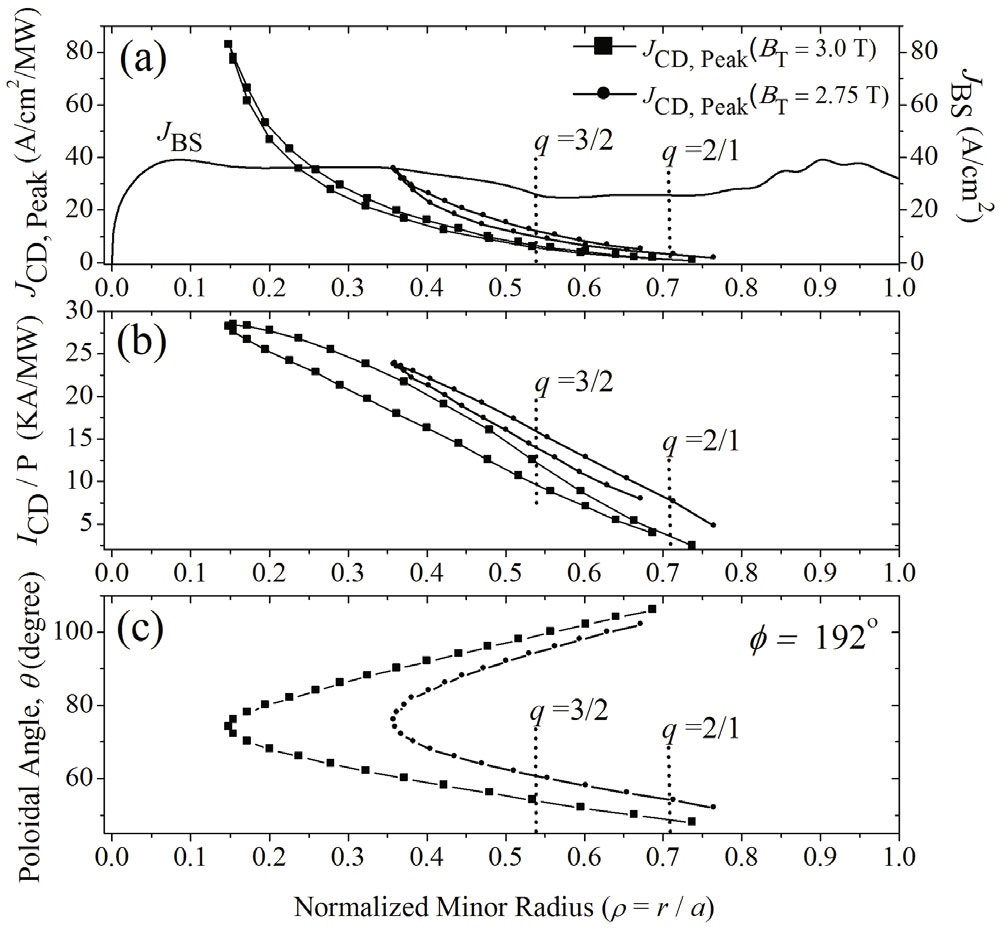
- Sahu et al. J. Korean Phys. Soc. 65, (2014) 1282∼1289