
Engineering at the
interface of life.
The Laboratory of Nanorobotics & Medical Devices explores how materials, devices, and living systems can interact—turning fundamental science into technologies that sense, communicate, move, and respond.
Laboratory vision
Our research spans the micro- and nanoscale, combining materials science, nanofabrication, electronics, and biomedical engineering to develop technologies for healthcare, human assistance, energy, sensing, and emerging applications.
120nm
Diameter of the magnetoelectric nanorobot — listed by Guinness World Records as the world's smallest medical robot.
39
Peer-reviewed papers, 2015–2026: 35 journal articles and 4 conference papers.
See the index
4
United States Patents
See the filings
13
Researchers: doctoral, master's and project staff.
Meet the group
Guinness World Record — World's Smallest Medical Robot
The core–shell magnetoelectric nanorobots developed by Prof. Soutik Betal are listed in the Guinness World Records as the world's smallest medical robot, at 120 nanometres — about one thousandth the thickness of a human hair. See the press coverage →

Research Highlights
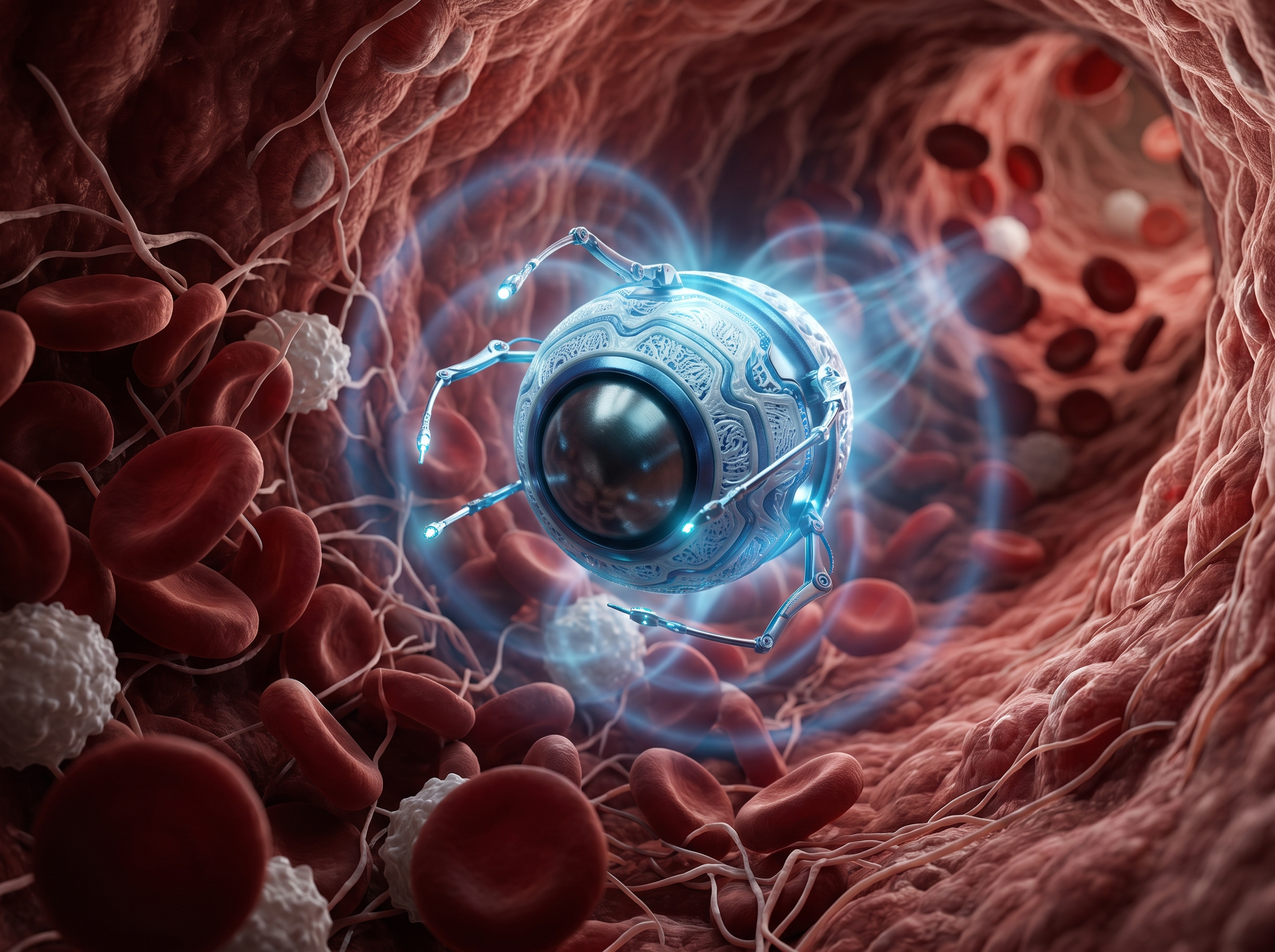
Core-shell magnetoelectric nanobot: A miniature magnetically assisted surgical tool
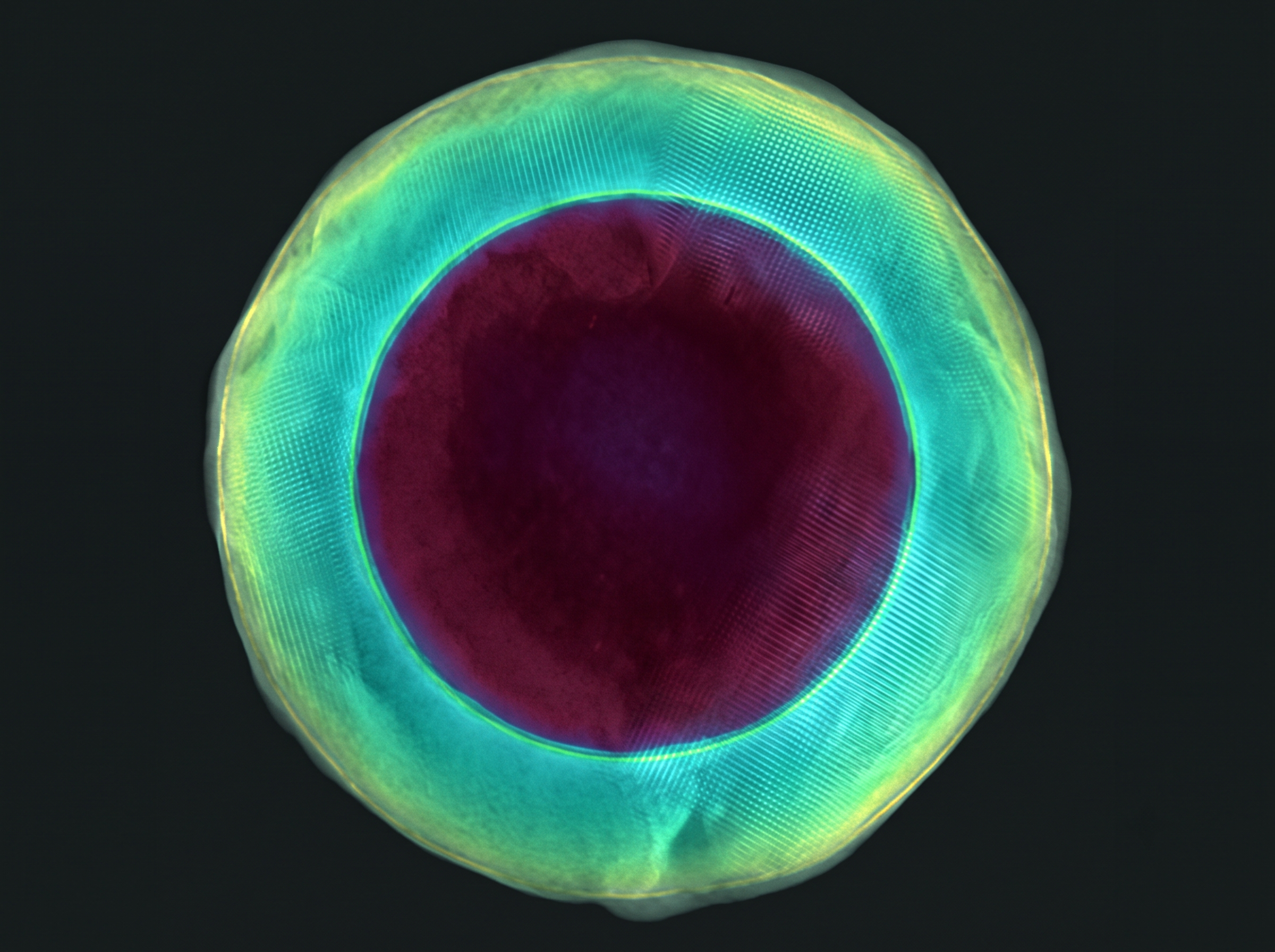
BaTiO3 Coated CoFe2O4–Core-Shell Magnetoelectric Nanoparticles (CSMEN) Characterization
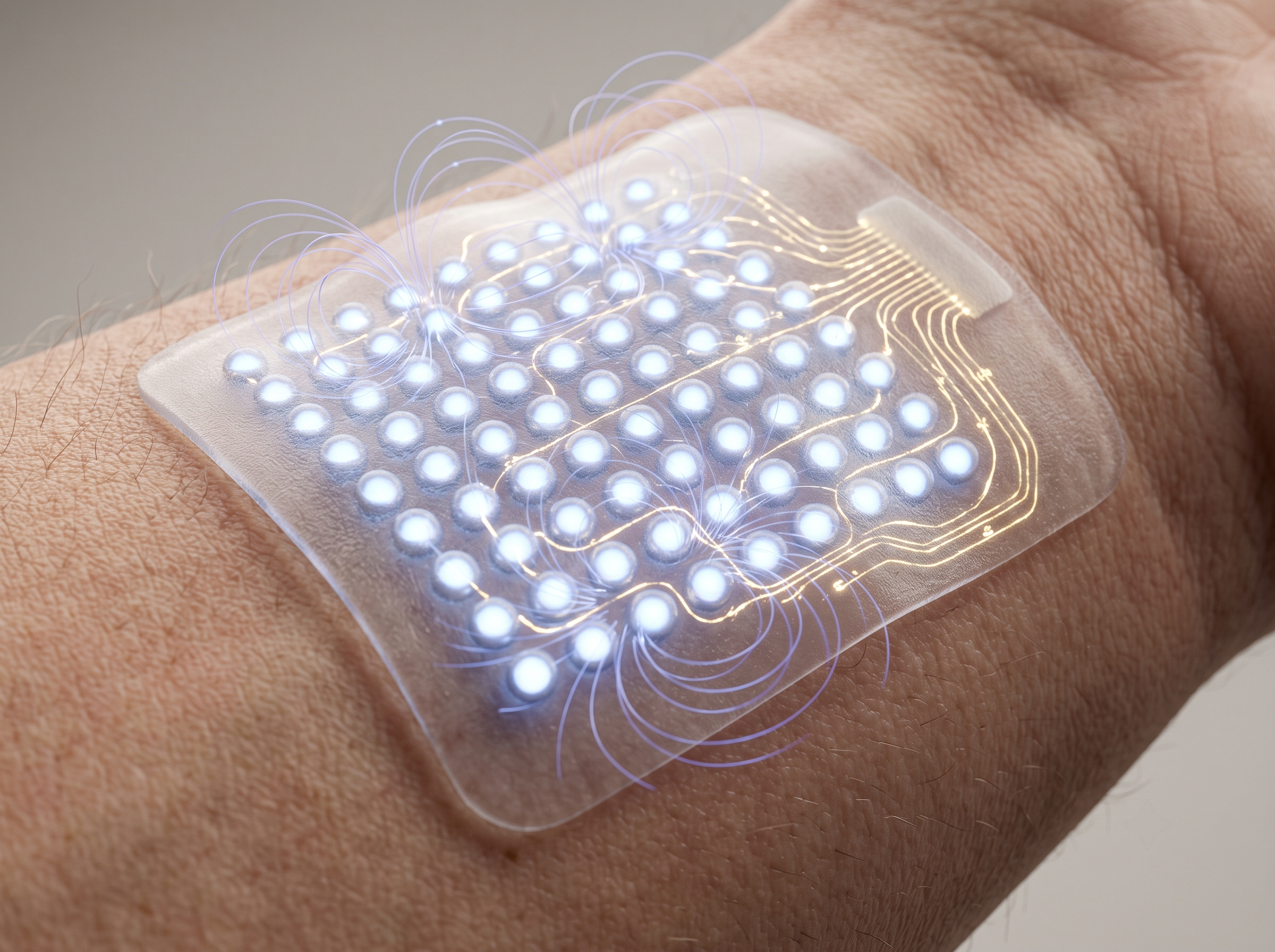
Magnetoelectric Core–Shell Nanoparticle–Based Wearable Hybrid Energy Harvesters for Biomedical Applications
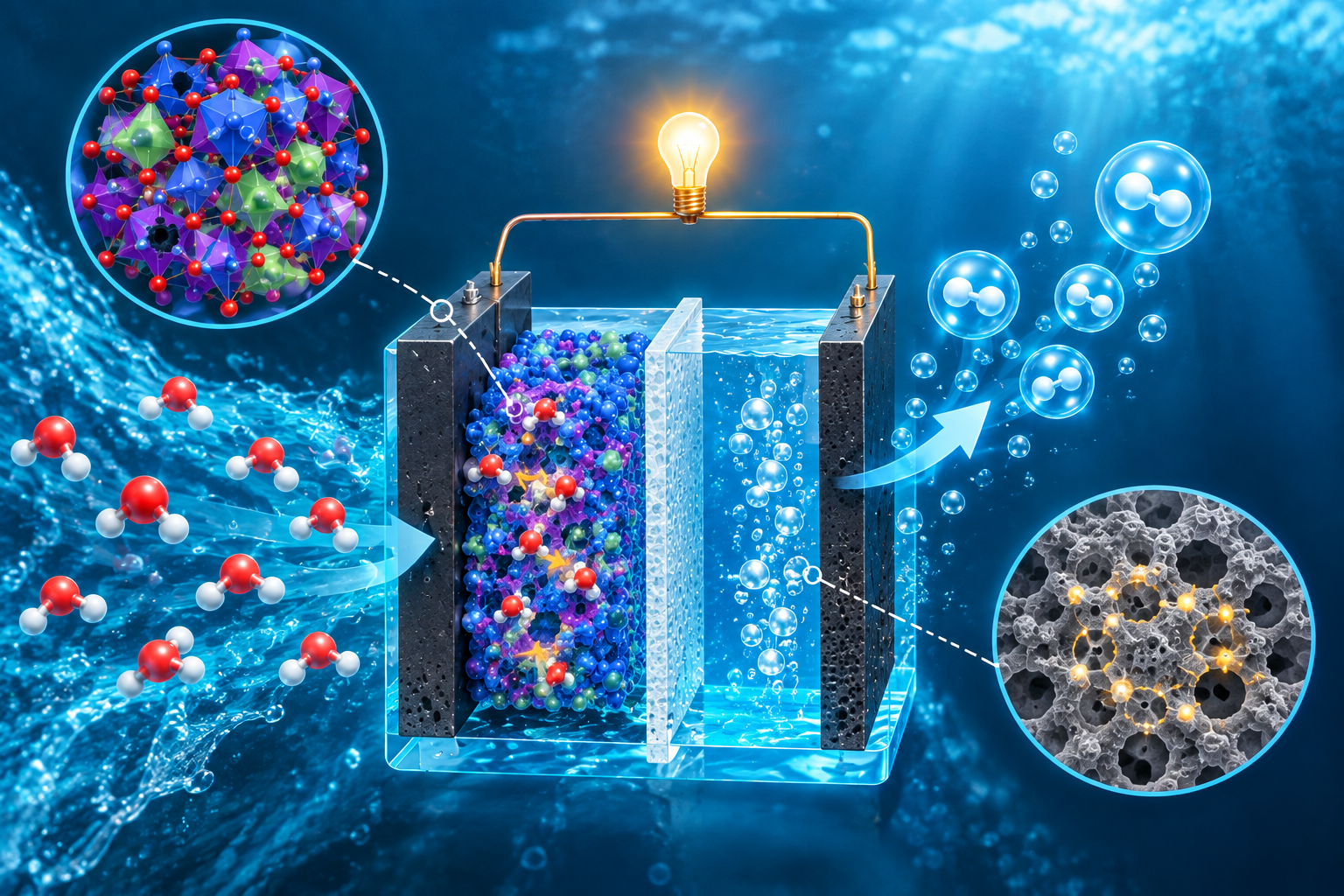
Hydroelectric cell and hydrogen generation using magnesium-substituted cobalt ferrite nanomaterials
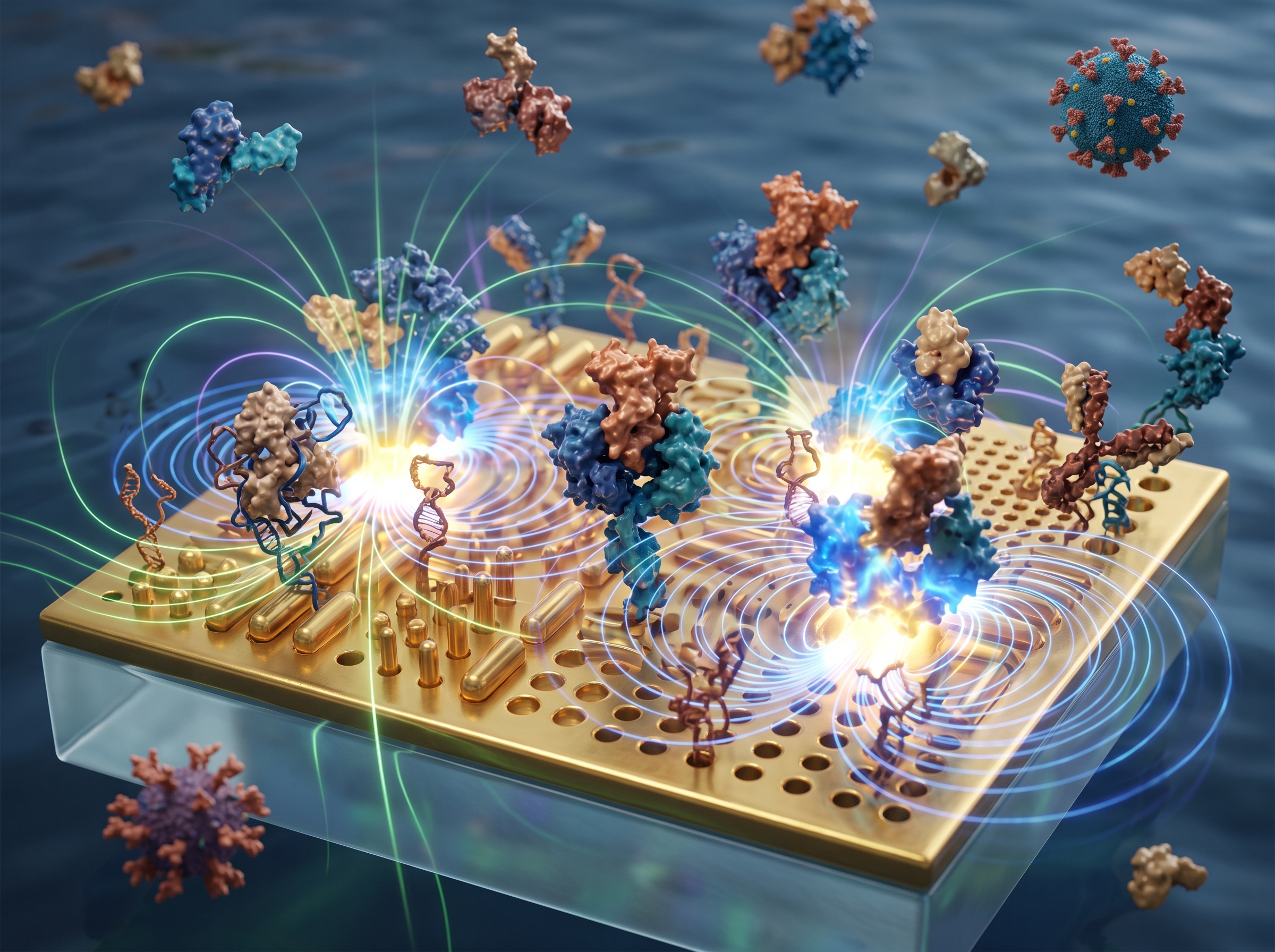
Magnetoelectrically enhanced molecular recognition on plasmonic surfaces
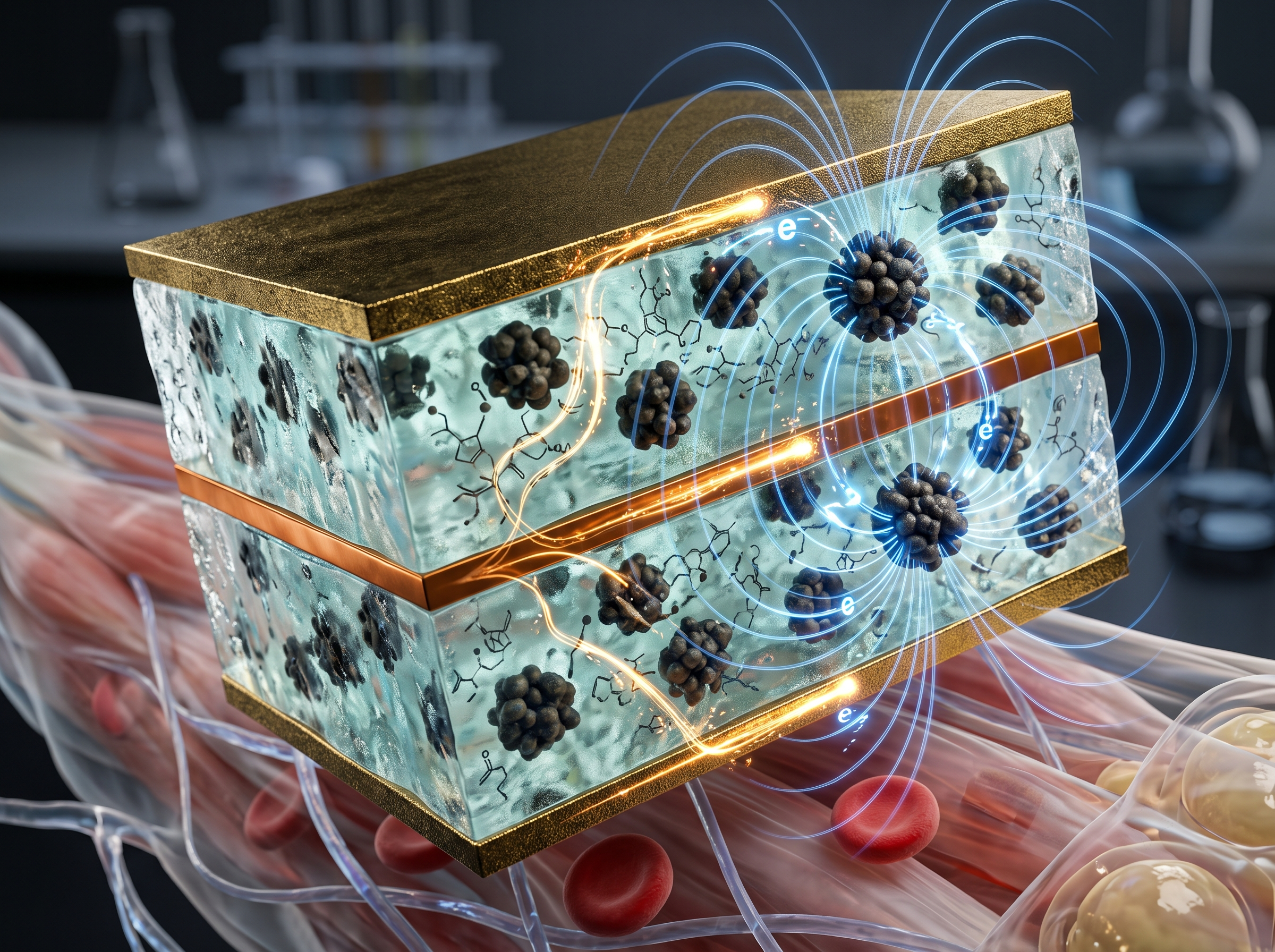
Advanced Magnetoelectric Composites for Hybrid Energy Harvesting

Microelectronic Integration Strategies for Nanoscale Magnetoelectric Sensors
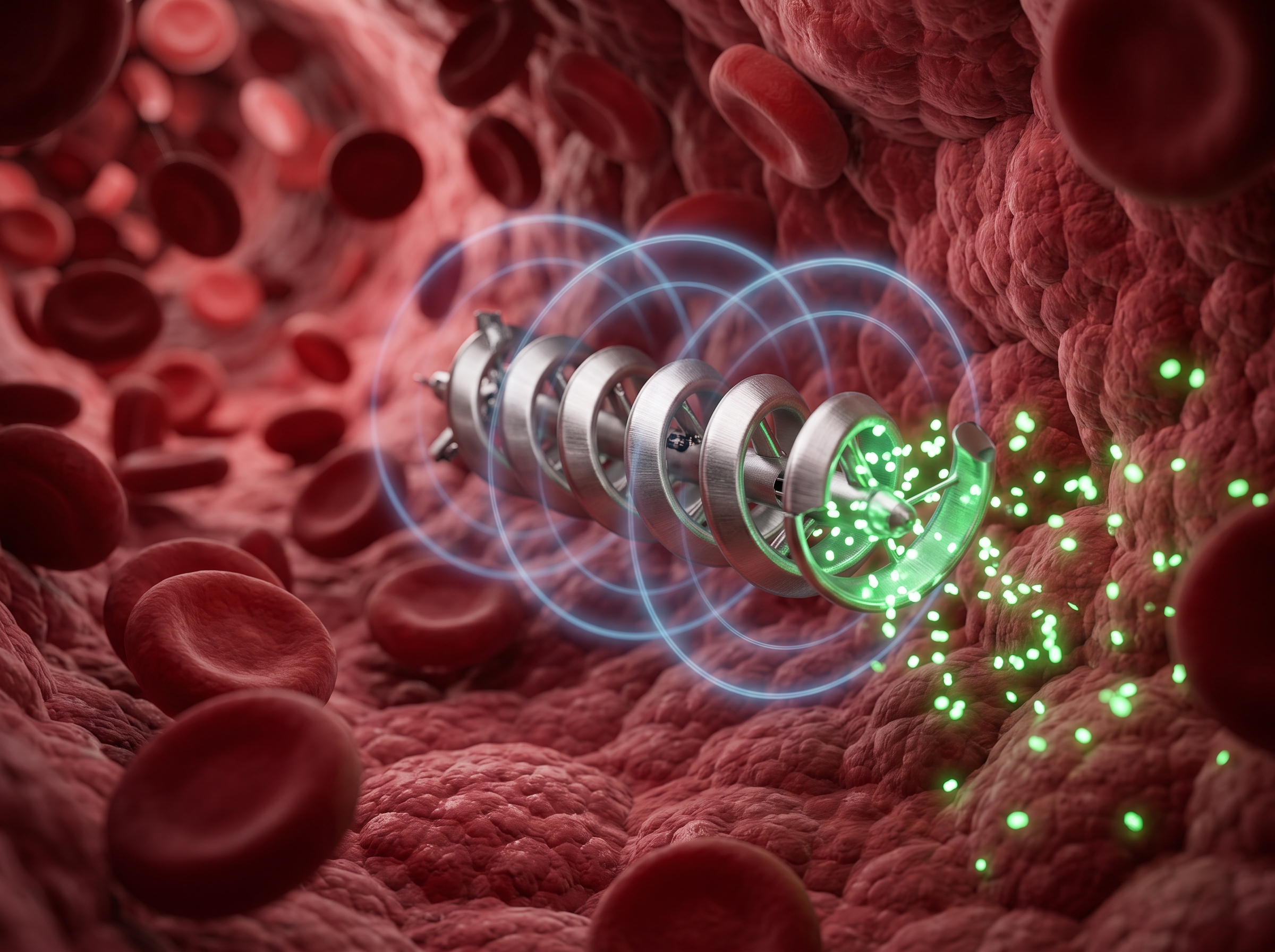
Magnetically Driven Microrobots: Propulsion Mode Changes and Biomedical Delivery
Funded By



Research Collaborators
Advancing medical devices through interdisciplinary partnerships