Research

Research areas

Mechanics-based modelling and experiments for materials and structures subjected to impact, damage, environmental degradation and other complex loading conditions.

01

Impact mechanics & protective structures

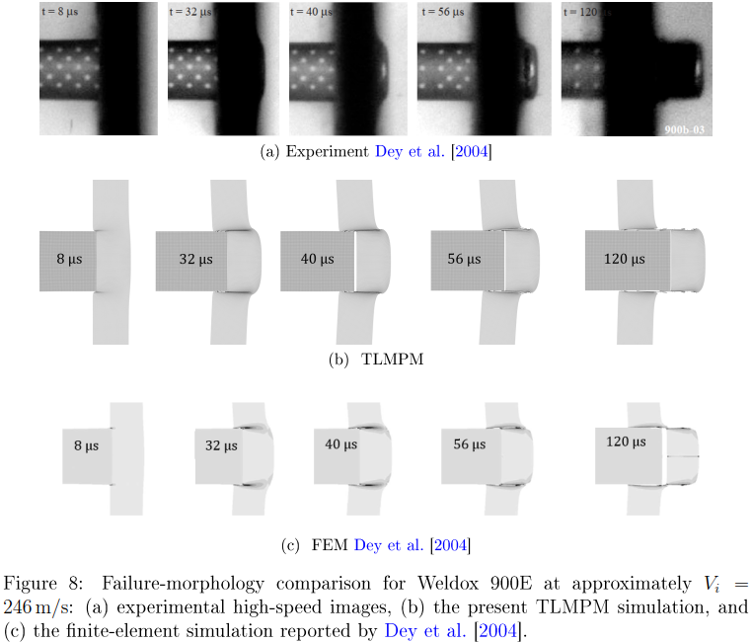
Research covers low- and high-velocity impact, projectile–target interaction, wave propagation, damage and failure, body armour, ballistic helmets and related protective systems. The work uses finite element methods, material point methods and experiments to study highly nonlinear transient response.

Selected contributors: Saurabh Singh, Satyendra Pratap Singh, Mohit Gupta, Harpreet Singh, Mohit Garg, Vikram Singh, Sangeeta Khare, Nitin Thakur, Ankush Thakur and Rishi Kumar Gupta.
02

Wind-turbine blade mechanics

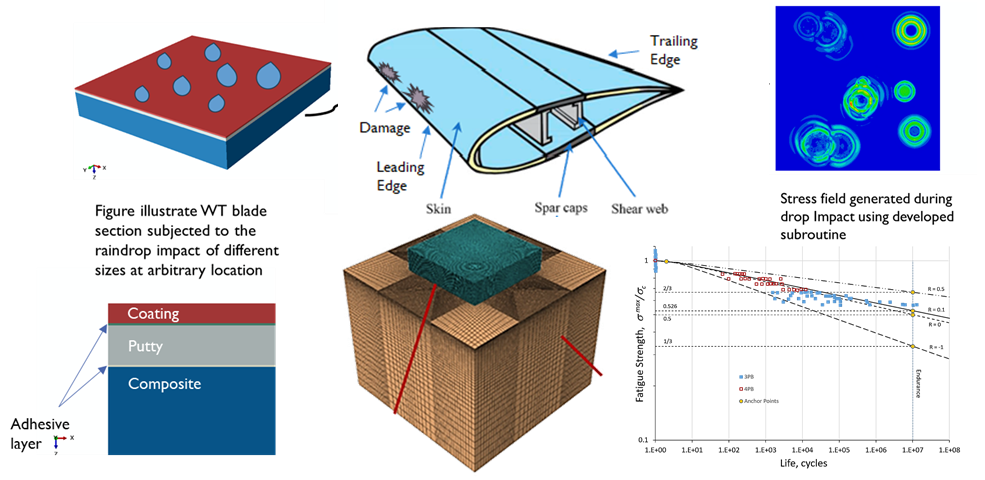
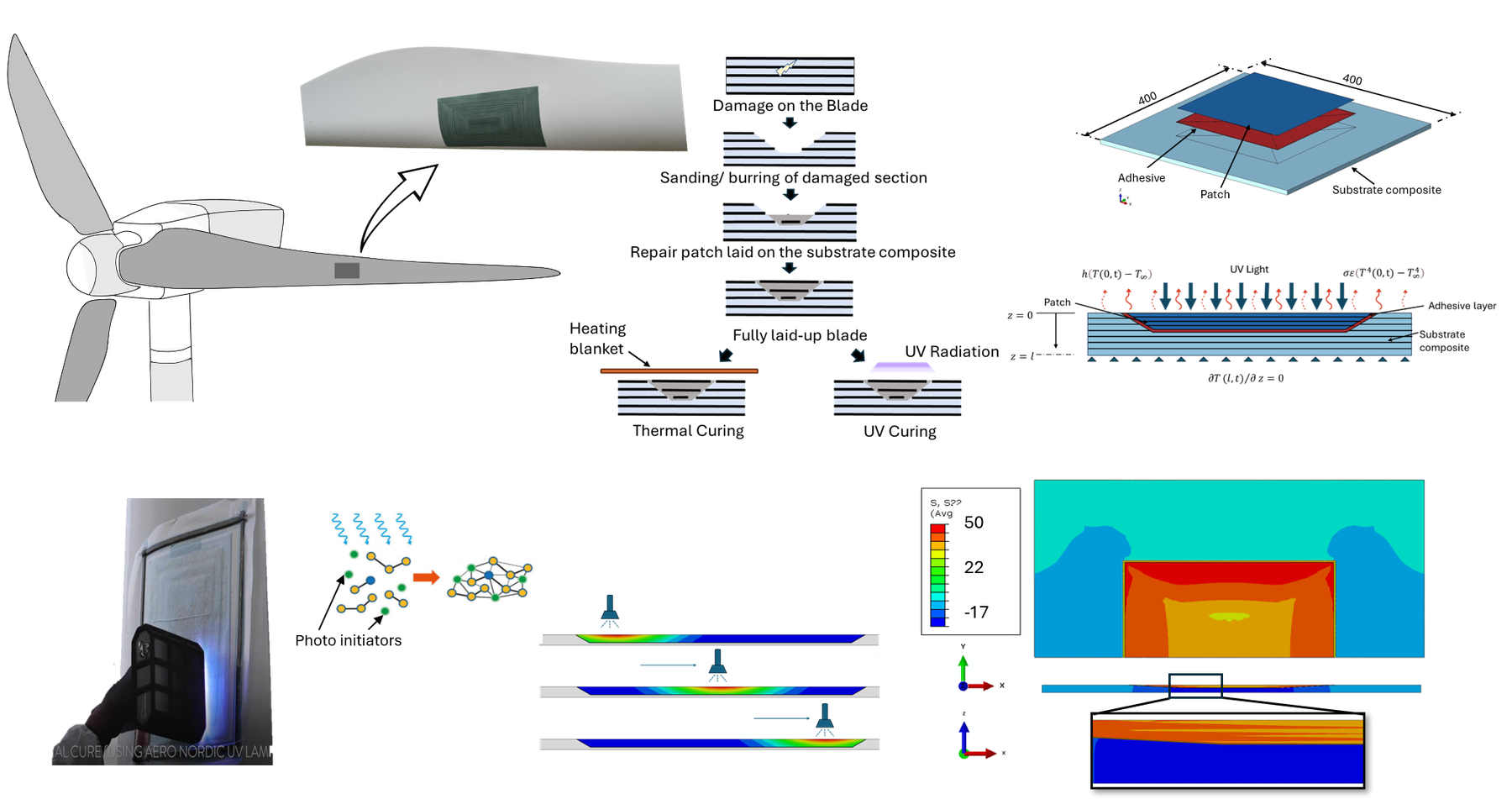
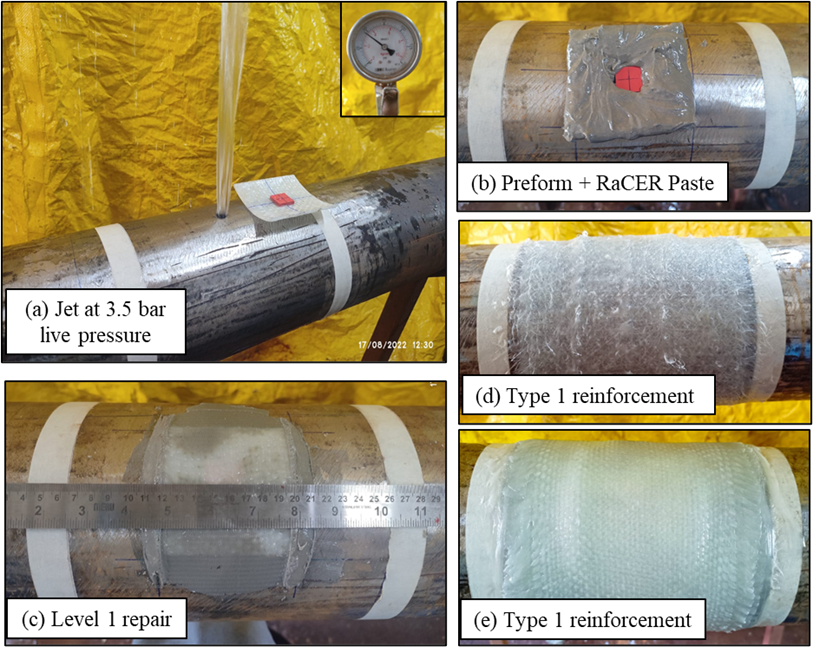
Research on wind-turbine blade mechanics addresses leading-edge erosion, coating degradation, interfacial debonding, and structural repair. Computational and experimental approaches combine fluid–structure interaction, damage and fatigue modelling, environmental ageing, defect characterization, and UV-curable composite repair to improve erosion resistance, repair durability, and service-life extension of wind-turbine blades.

Selected contributors: Nikesh Kuthe, Ayush Varshney, Daniel Paul, Vibhuti Bhushan Pandey and collaborators.

03

Snow & porous materials

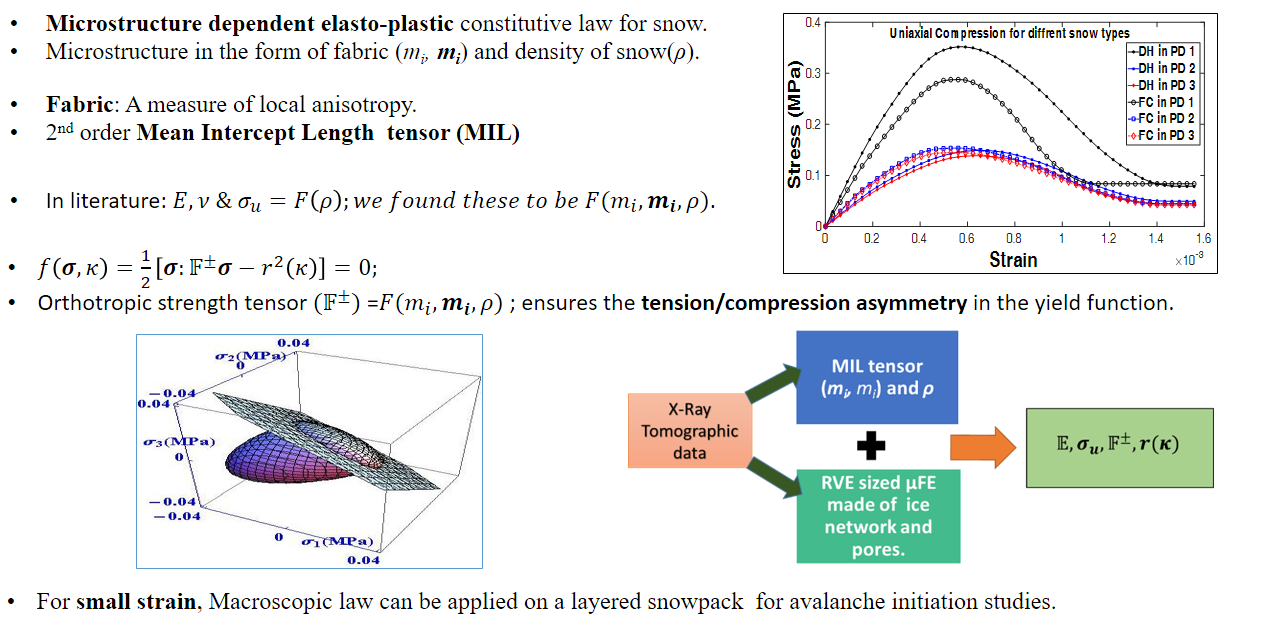
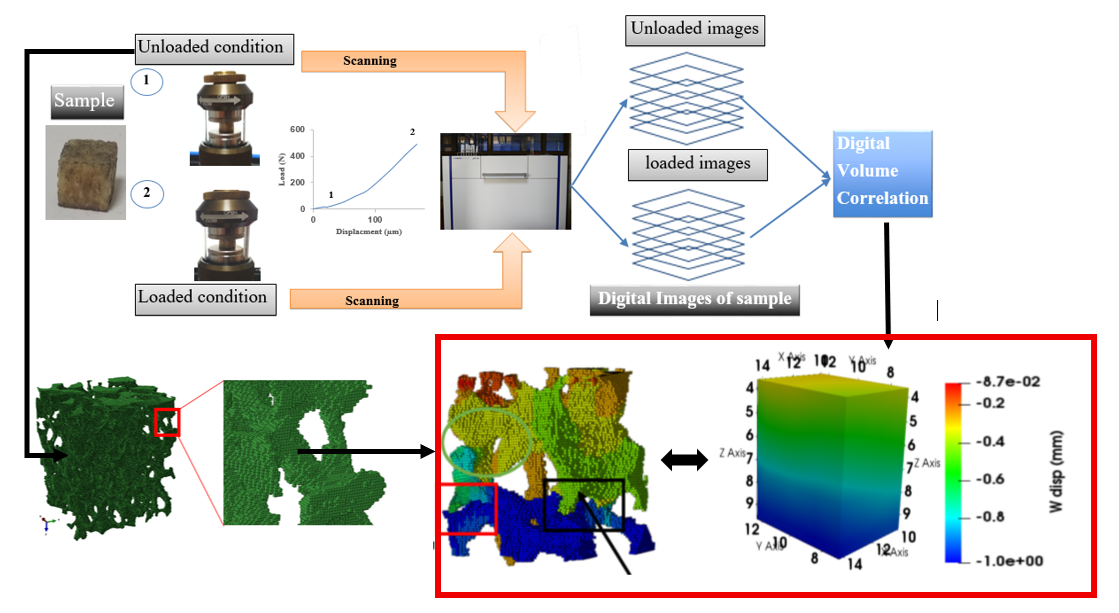
Research on snow and porous materials links microstructure to macroscopic mechanical behaviour using micro-CT imaging, micro-finite-element modelling, digital volume correlation and constitutive formulations. Studies address anisotropy, stiffness, multiaxial strength, damage and fracture in snow and cellular materials, with applications including avalanche initiation, weak-layer fracture and porous structural mechanics.

Selected contributors: Agraj Upadhyay, Anurag Kumar Singh, Sriram Kunnoth and Praveen Srivastava.

04

Composite materials & structural applications

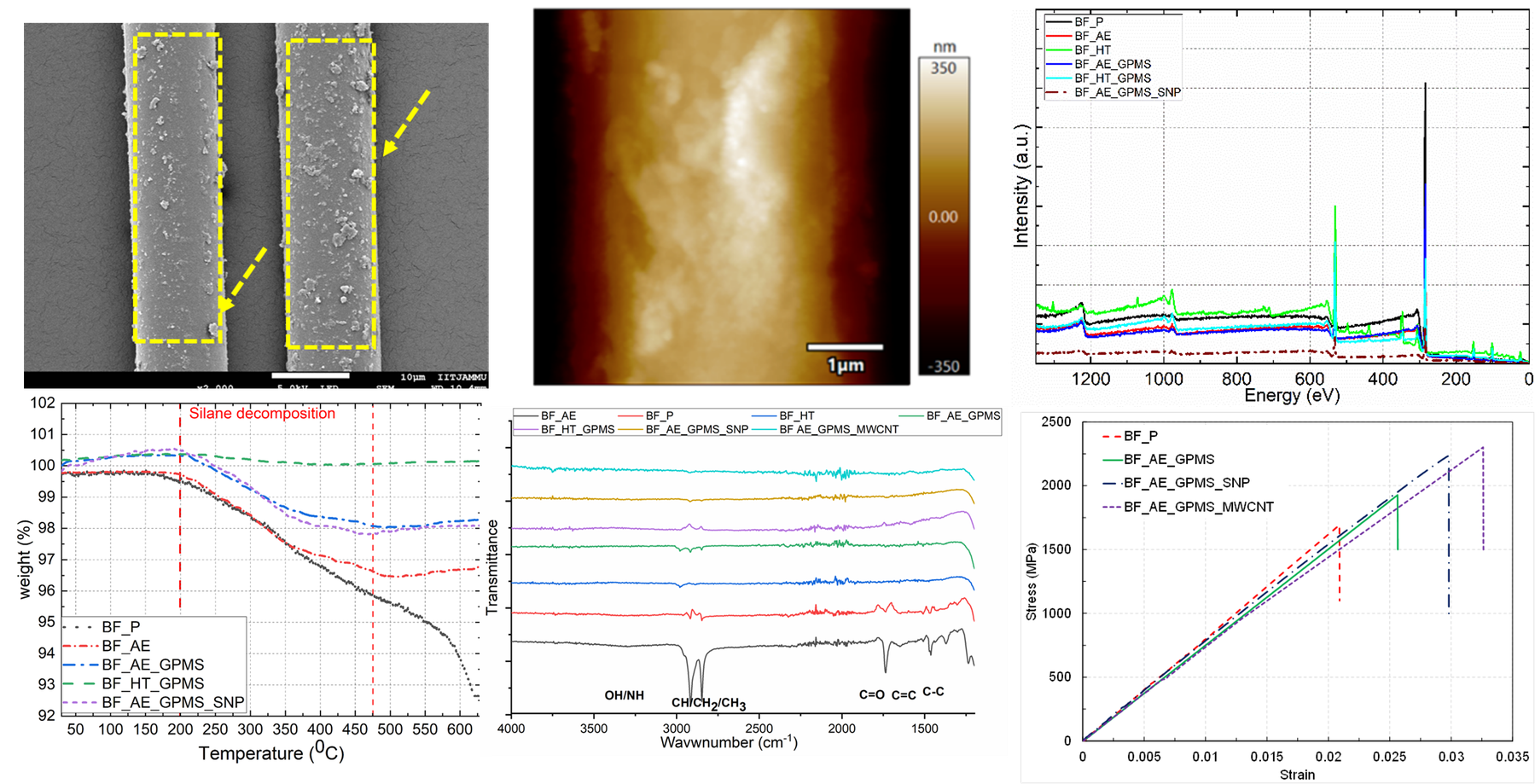
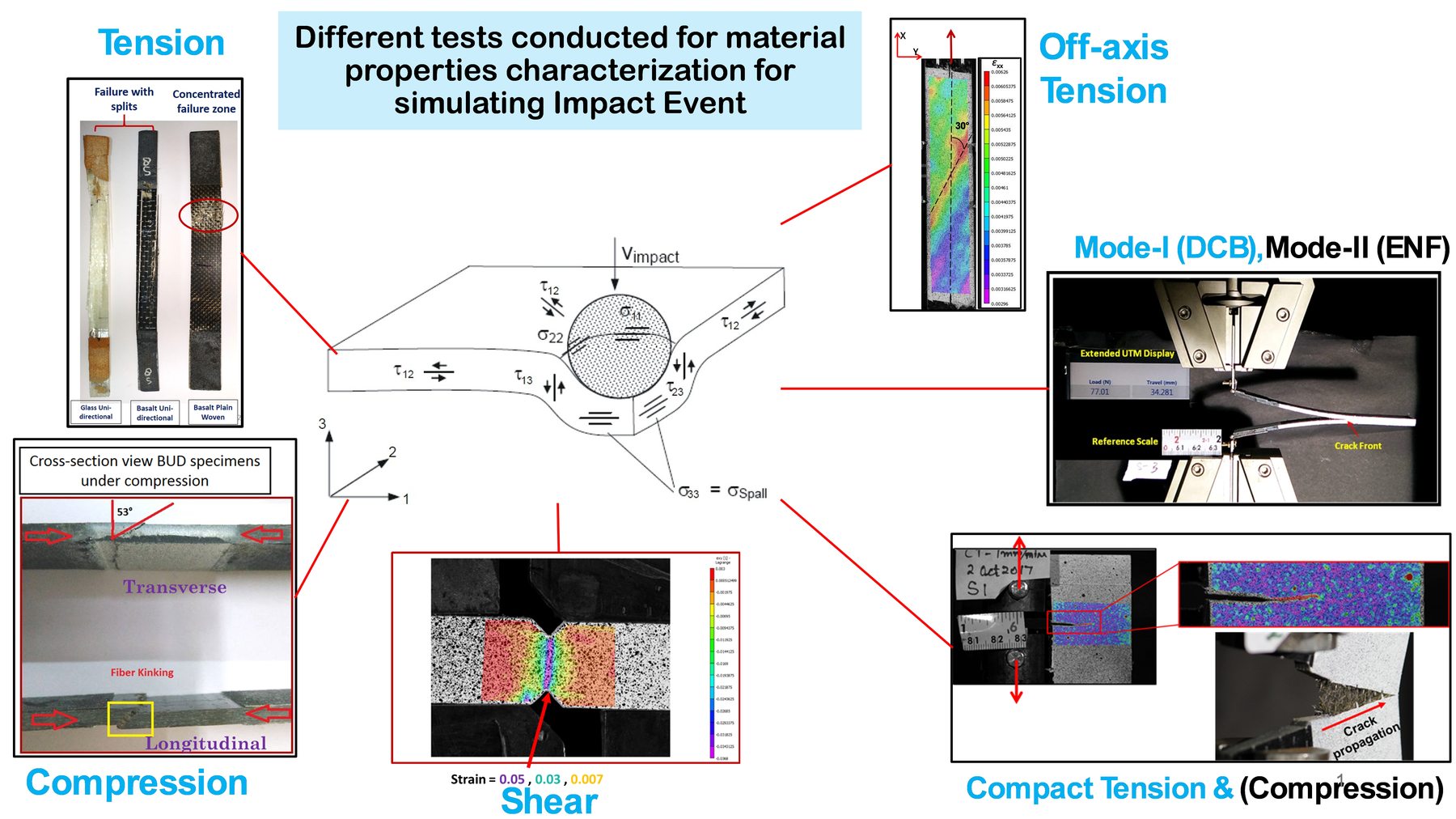
Research on composite materials combines mechanical characterization, impact experiments and computational modelling to study stiffness, plasticity, damage, fracture and delamination. Continuum-damage, cohesive-zone and multiscale formulations are developed for fibre-reinforced laminates, enabling prediction of low-velocity impact response, permanent deformation, interface debonding and progressive failure in structural composite systems.

Selected contributors: Mayank Agrawal and Vishwas Chandra

05

Computational mechanics & applied FEM/MPM

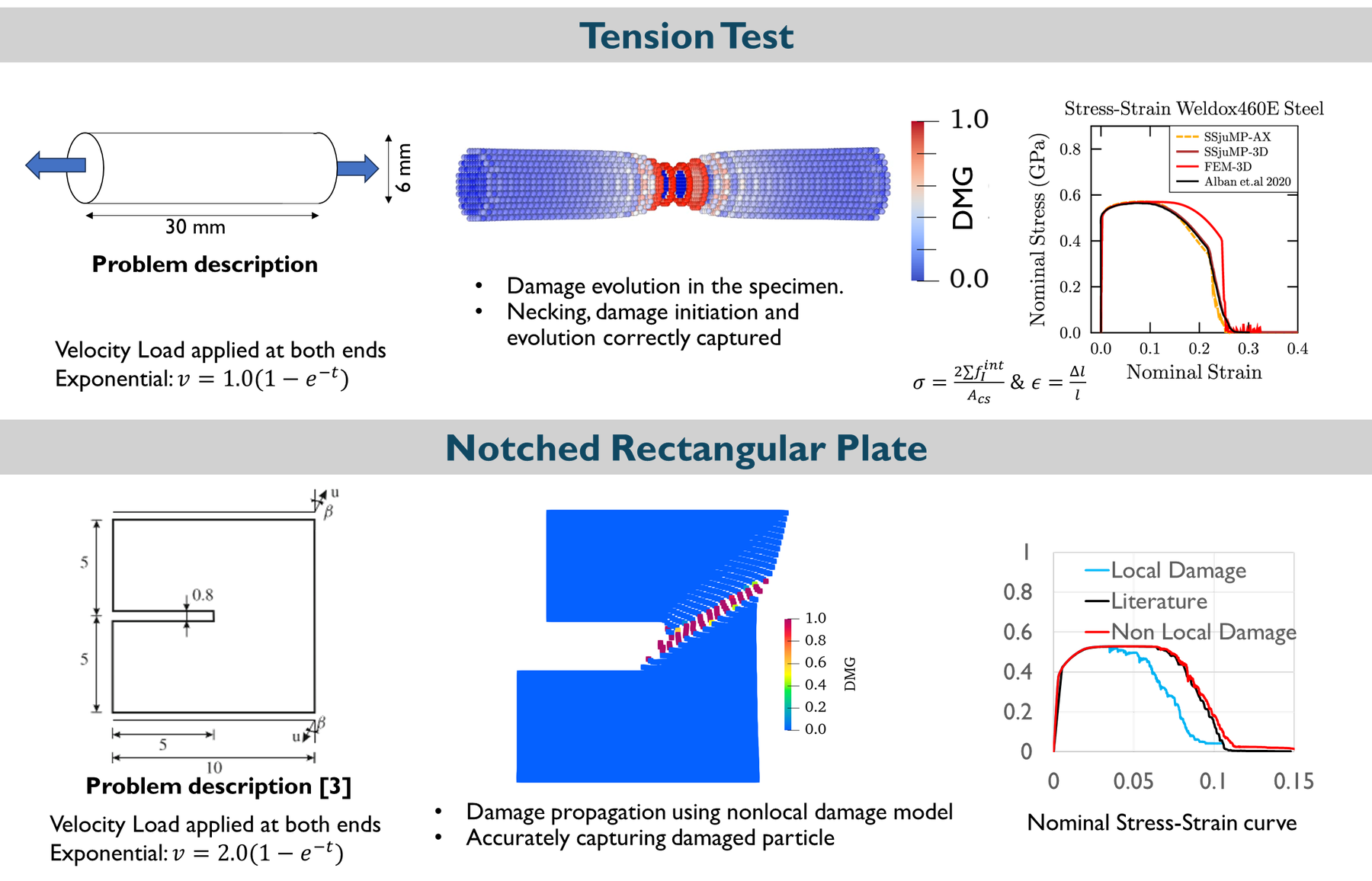
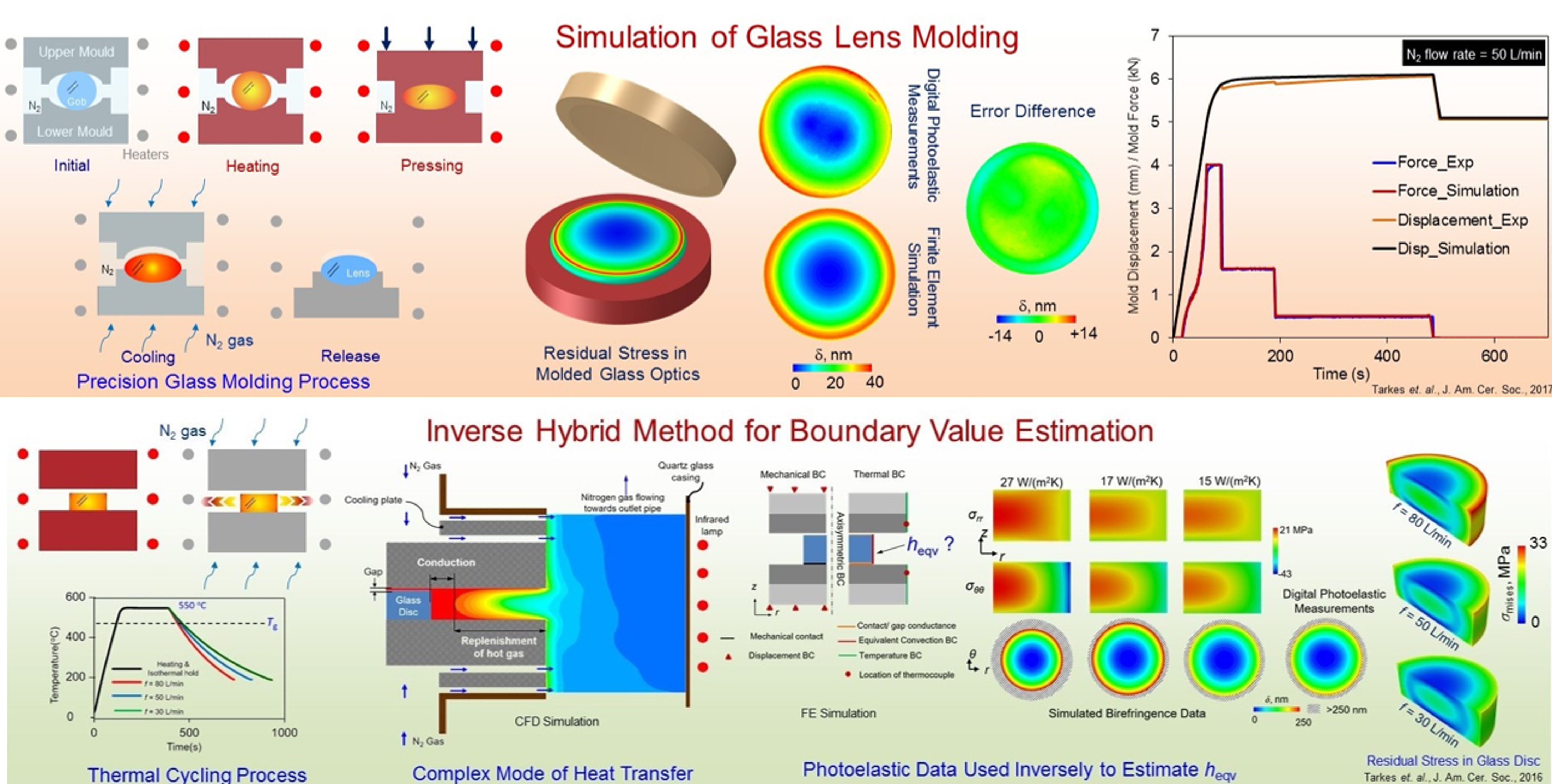
Research in computational mechanics develops and applies finite-element, material-point and multiscale methods for nonlinear solids, impact, damage and heterogeneous materials. Image-based micro-FE, user-defined constitutive models and reduced-order approaches are used alongside experiments to investigate transient response, anisotropy, fracture, wave propagation and material degradation across multiple length scales.

Selected contributors: Saurabh Singh, Satyendra Pratap Singh, Ankush Thakur, Bhuwan Sardar, Harpreet Singh and Ranjeet Kumar.

06

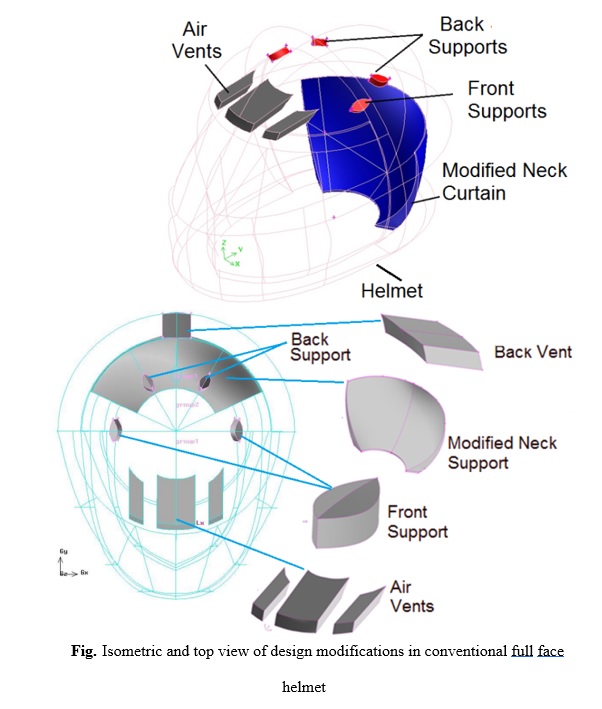
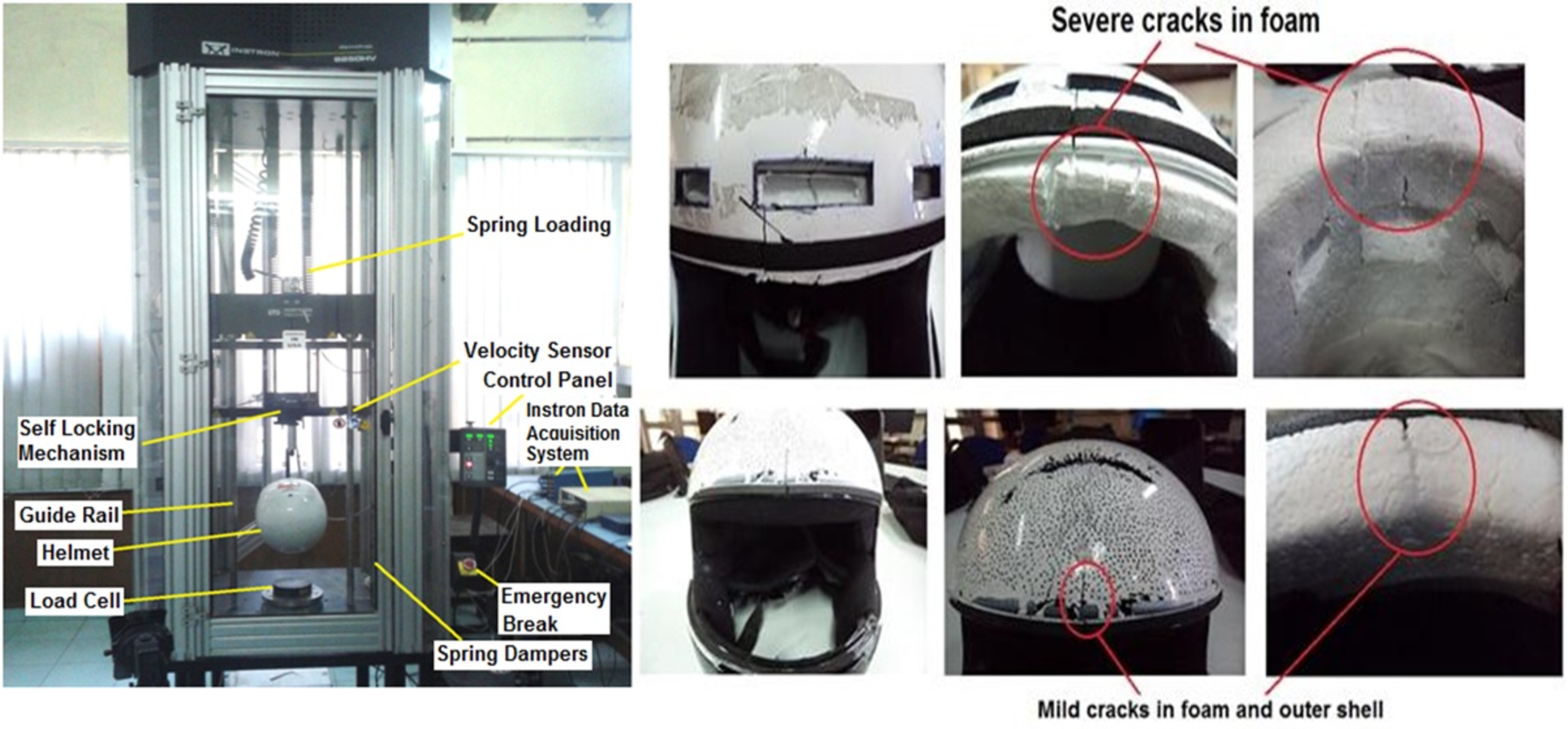
Helmet mechanics

Research on helmet mechanics integrates impact testing, finite-element analysis and biomechanics to improve head protection while addressing weight and ventilation. Studies examine helmet-shell materials, liner response, head acceleration, injury criteria, brain stresses and energy absorption, including composite and aluminium-foam shells, damage mechanisms, delamination and ventilation-oriented structural design.

Selected contributors: Bhagwat Singh Shishodia, Manish Kumar, Mohit Garg.