Research
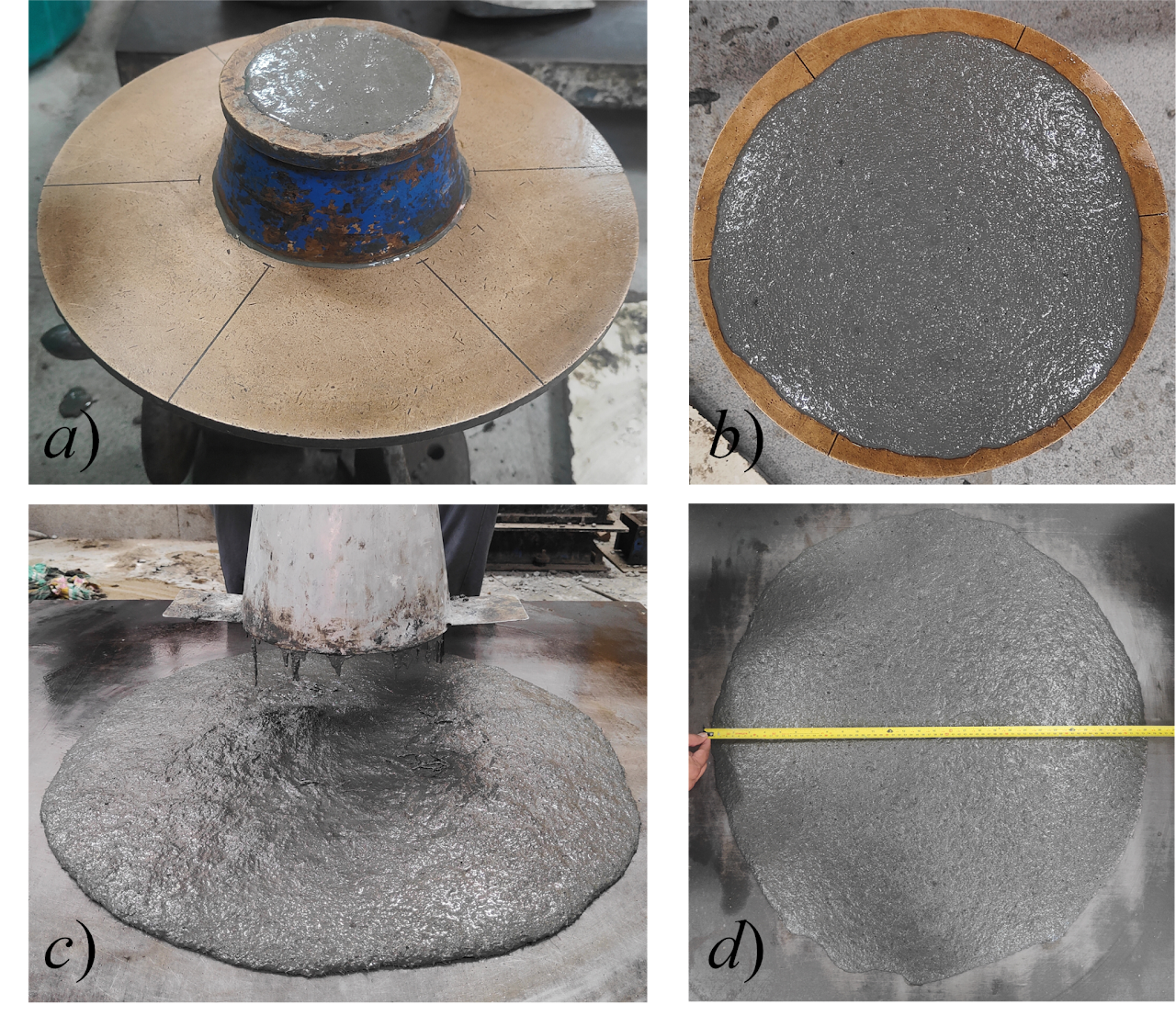
Ultra-High-Performance Concrete (UHPC/UHPFRC)
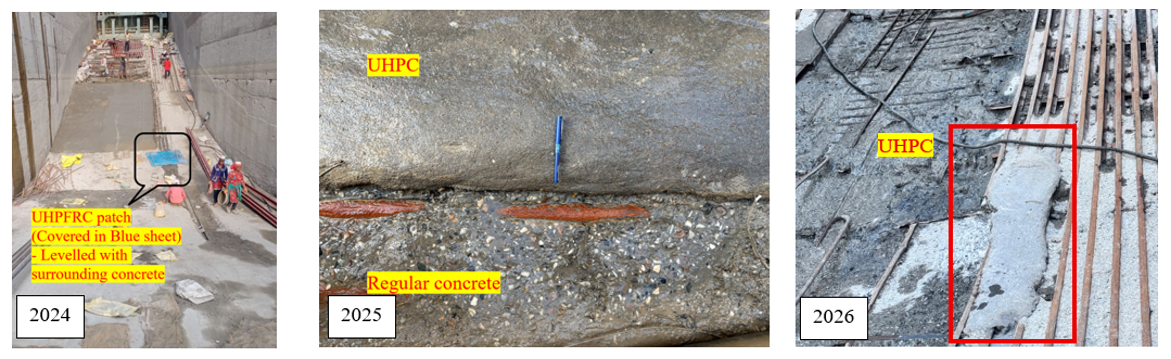
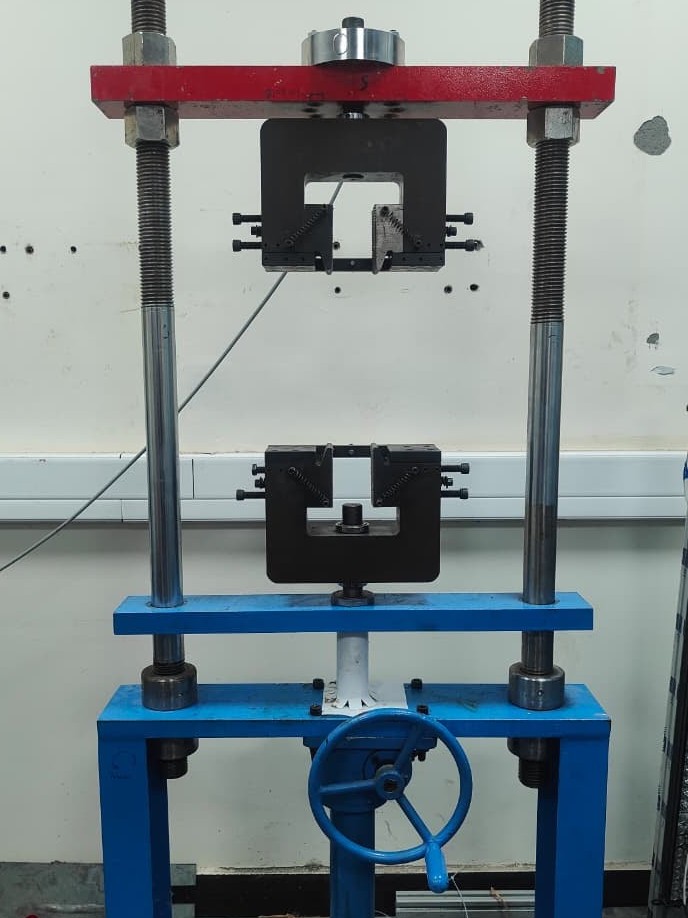
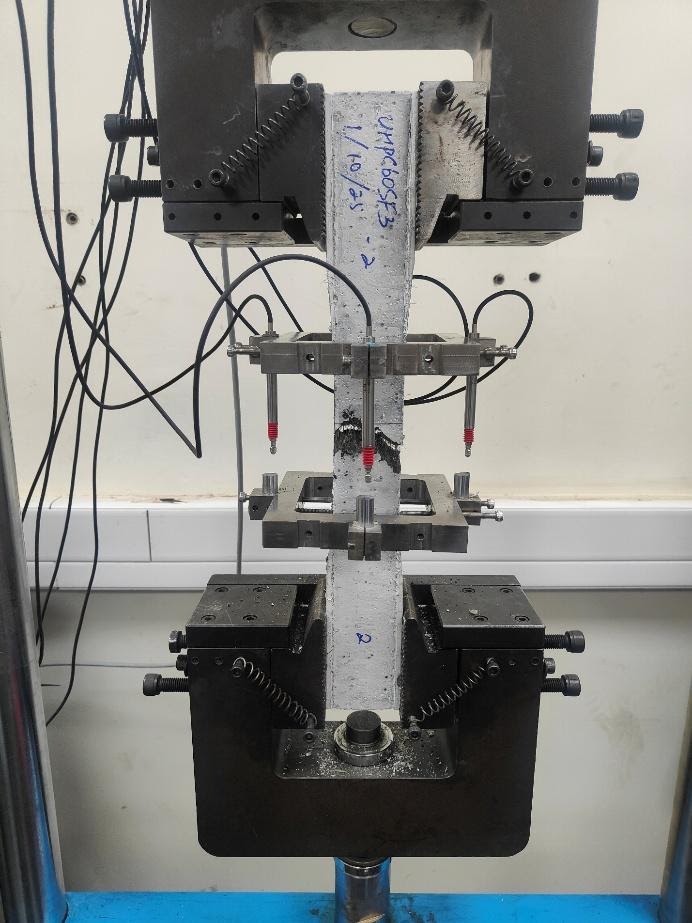
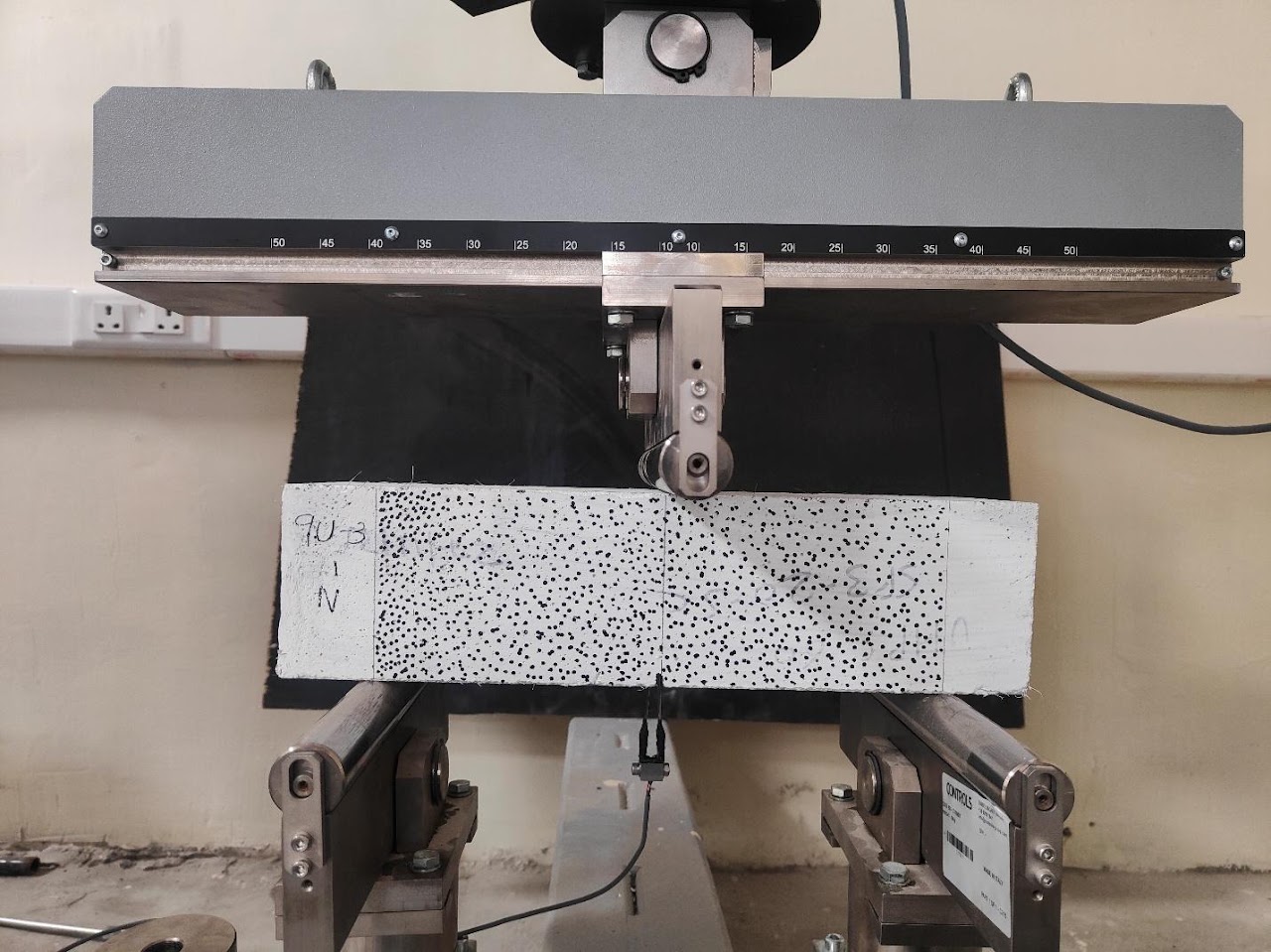
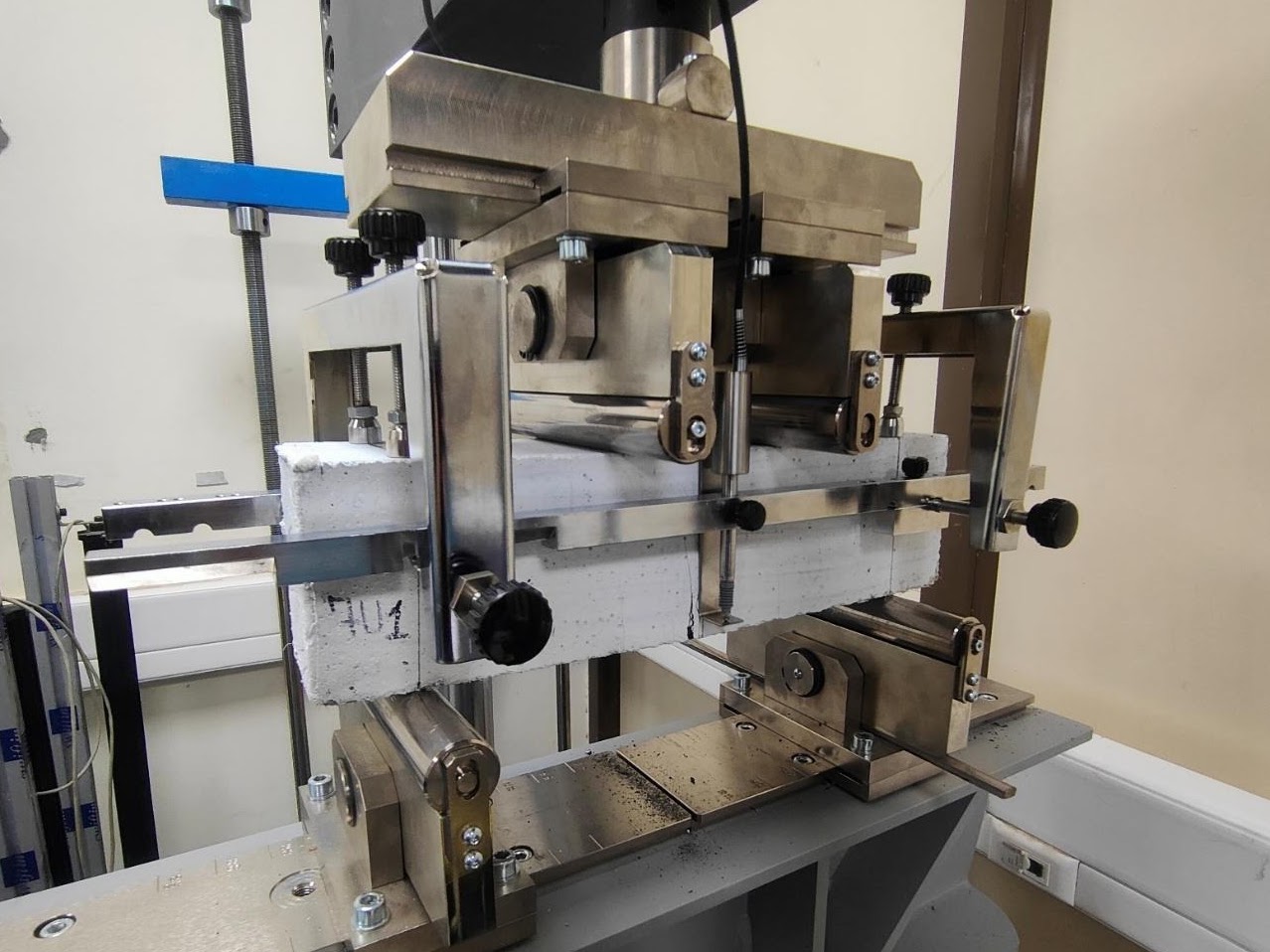
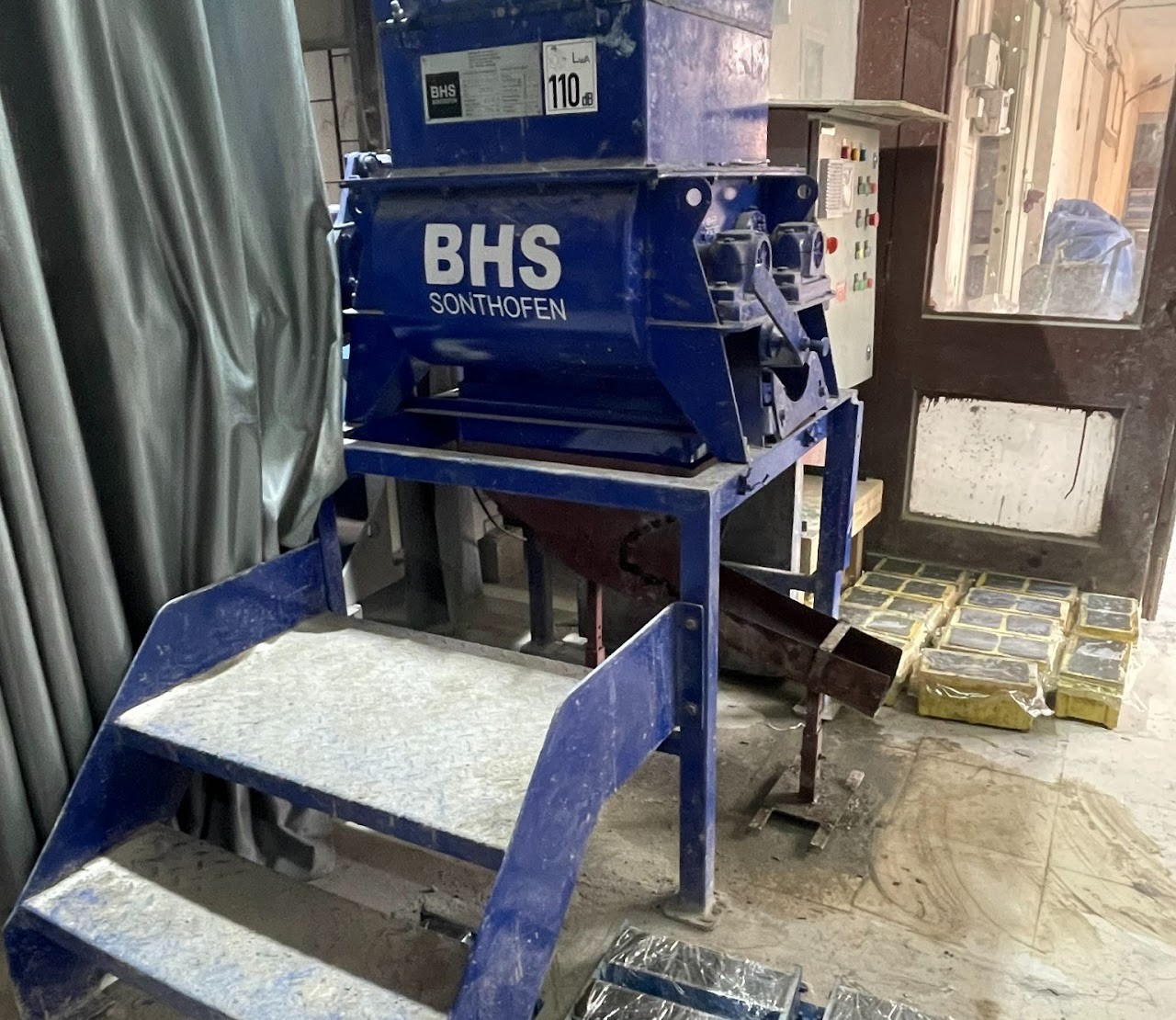
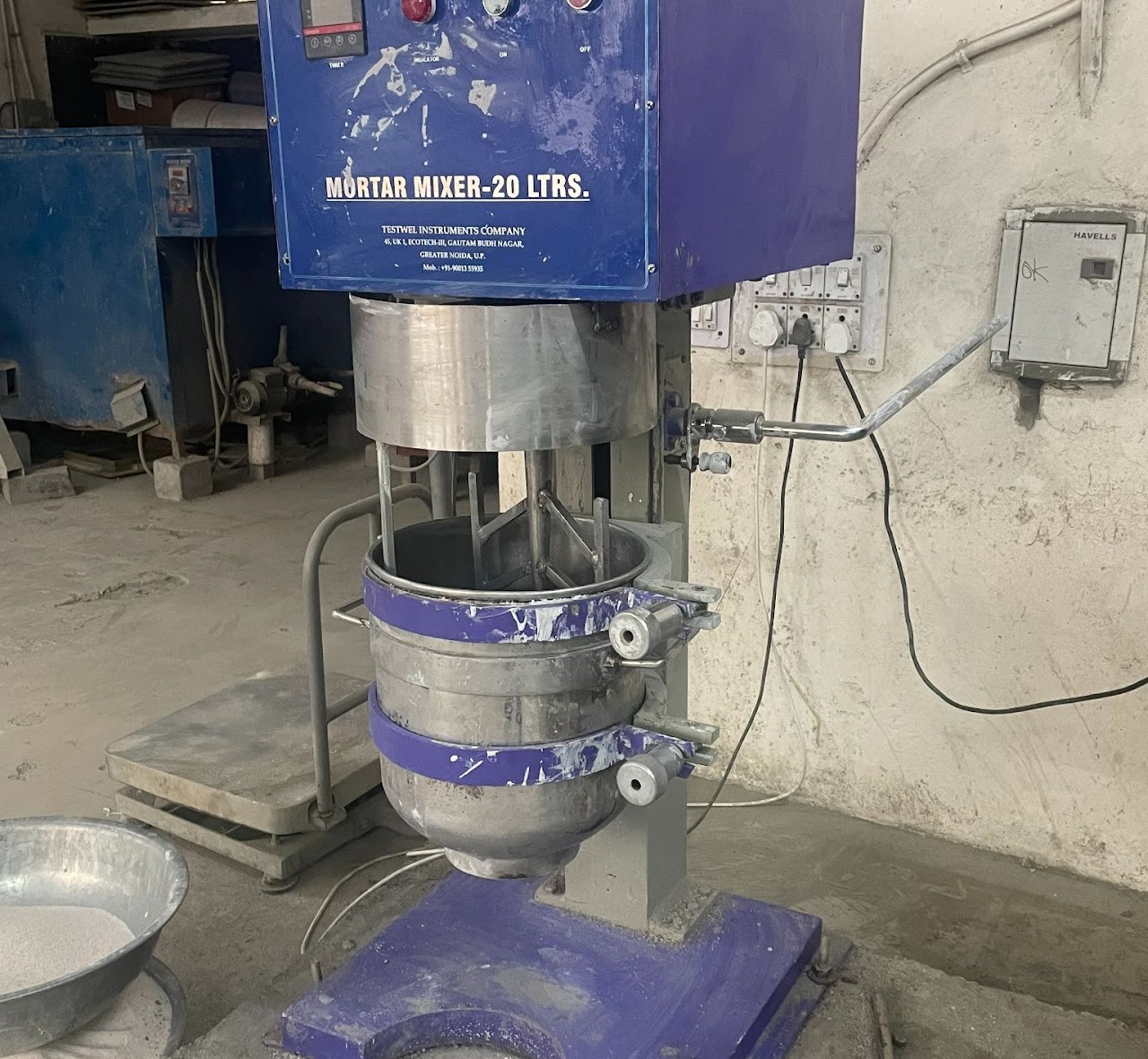
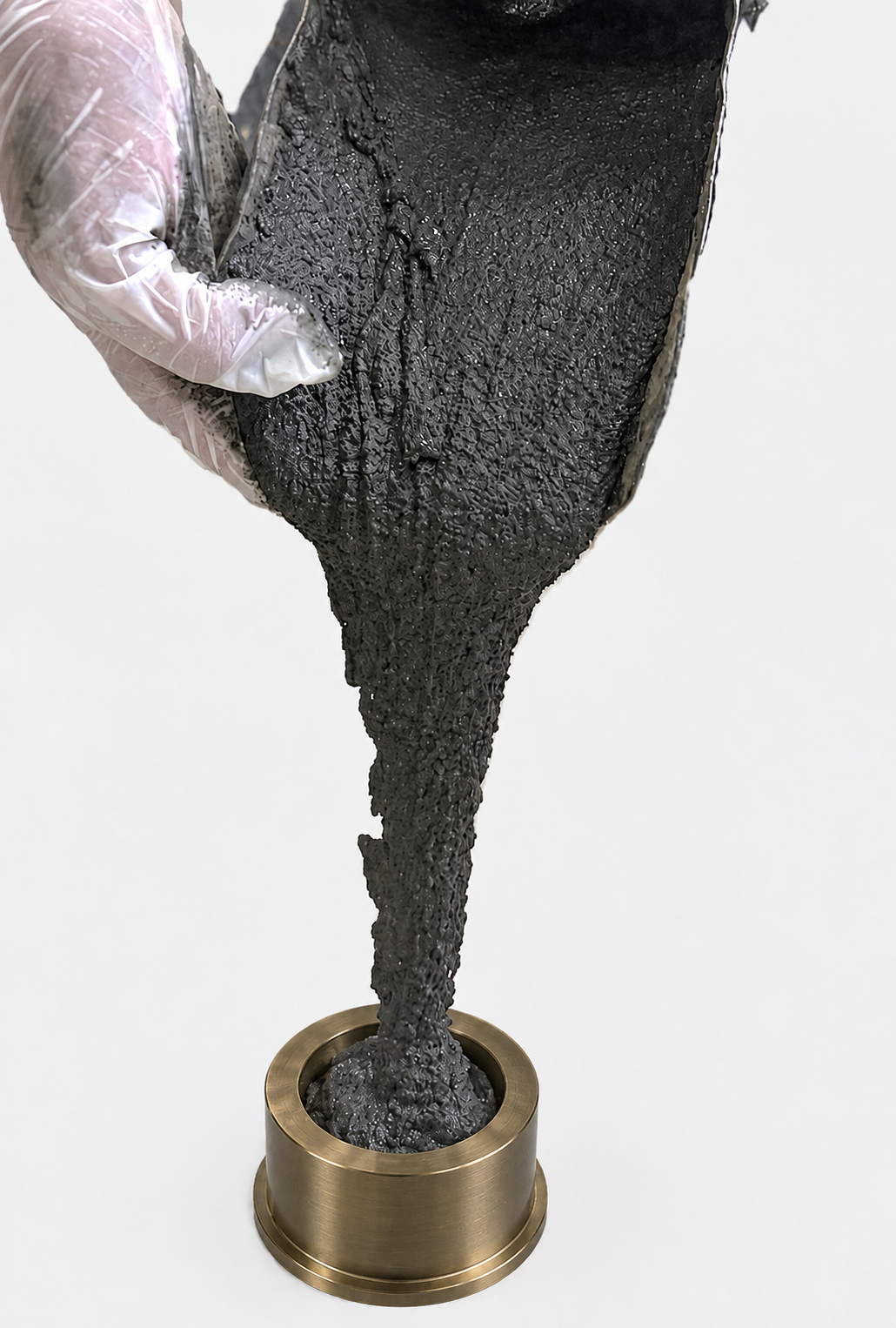
Ultra-high-performance concrete (UHPC) is a class of advanced cementitious materials with greater strength, tensile ductility and durability than conventional or high-performance concrete. Our research on UHPC focuses on the development, characterization, design, and application of UHPC for advanced and durable infrastructure. We investigate the fresh and hardened properties of UHPC, including workability, compressive strength, tensile behaviour, flexural performance, shrinkage, and durability. Research also extends to the structural behaviour and design of UHPC members, with particular emphasis on flexure, shear, and the development and evaluation of appropriate design methodologies. A key objective is to bridge the gap between material-level research and practical infrastructure applications through experimental investigations, analytical and numerical modelling, and field-scale demonstrations. We are also actively involved in the standardisation of UHPC in India, with the broader goal of enabling its reliable, economical, and sustainable use in modern infrastructure.
Bayesian Model Updating
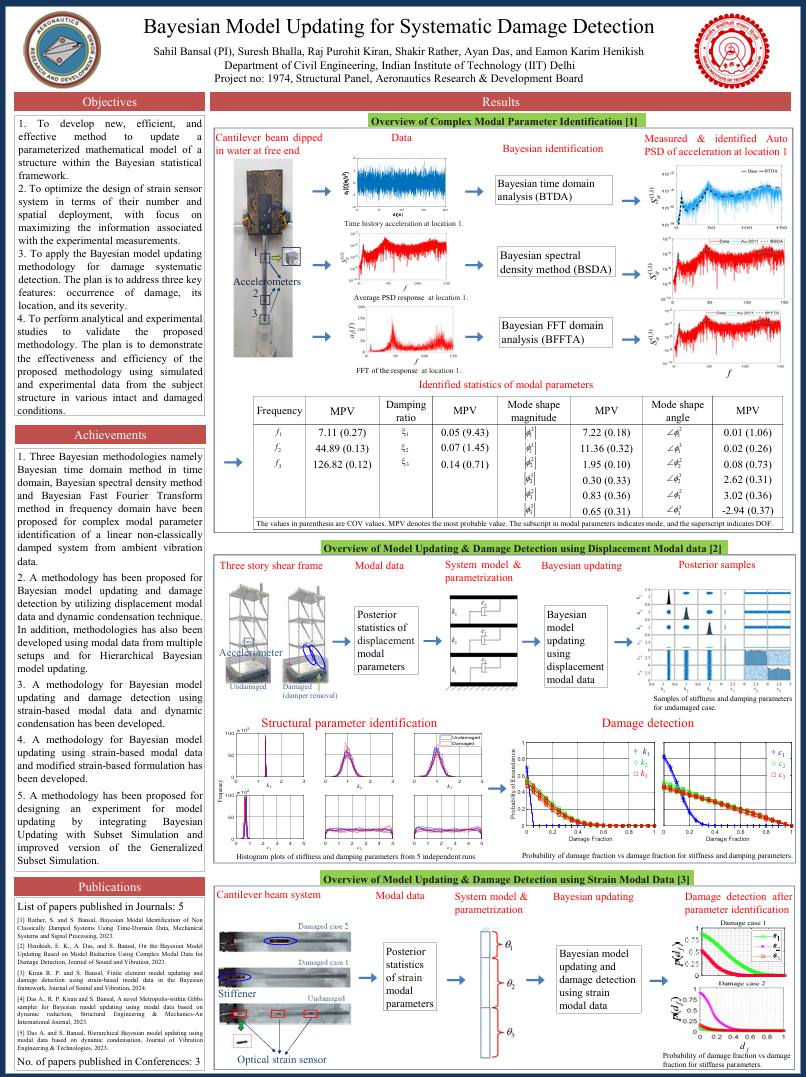
We investigate Bayesian approaches for updating uncertain model and modal parameters, accounting for modelling errors, and incorporating incomplete and noisy measurement data. Our research includes model updating, modal identification of non-classically damped systems, optimal sensor placement, and damage detection. The overarching objective is to develop reliable, data-informed models that better represent the behaviour of real structures and support structural health monitoring, condition assessment, reliability analysis, and informed decision-making.
Click on the image for more details.
Optimization under Uncertainty
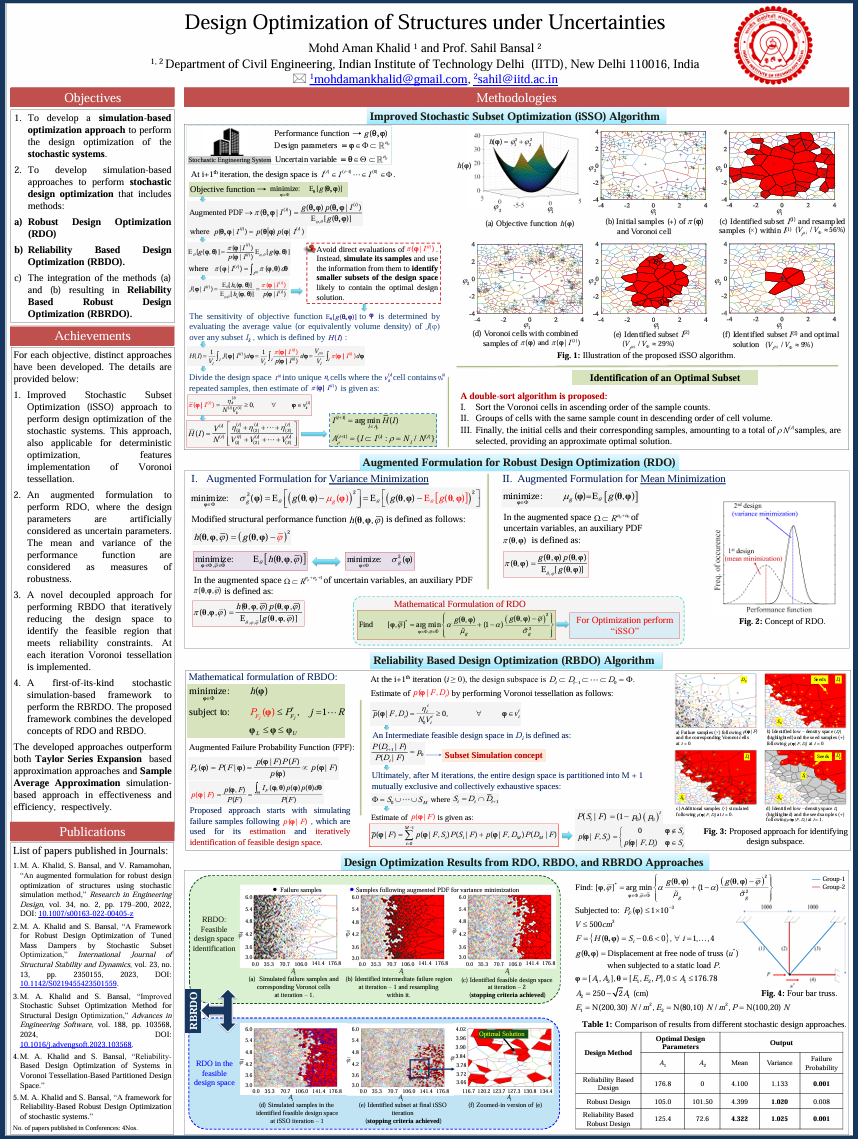
Research on optimization under uncertainty focuses on the development of reliable and computationally efficient methods for designing structural and engineering systems in the presence of uncertain parameters. We investigate robust design optimization and reliability-based design optimization approaches that explicitly account for uncertainties in material properties, loads, geometric parameters, and system responses. Our research includes stochastic simulation methods, reliability analysis, robust optimization, and the design optimization of structural systems and control devices. Particular emphasis is placed on developing efficient algorithms that achieve an appropriate balance between structural performance, reliability, robustness, and computational cost.
Click on the image for more details.
Structural Reliability Analysis
Our research on structural reliability investigates the effects of uncertainties in loads, material properties, geometric parameters, and structural models on the performance and safety of concrete and other structural systems. Particular emphasis is placed on code calibration, where probabilistic analyses are used to evaluate the consistency and adequacy of design provisions and to establish appropriate target reliability levels for structural design. The overarching objective is to develop rational and quantitative frameworks for assessing structural safety and improving the reliability, consistency, and efficiency of structural design standards.
Thermal Comfort and Energy Efficiency
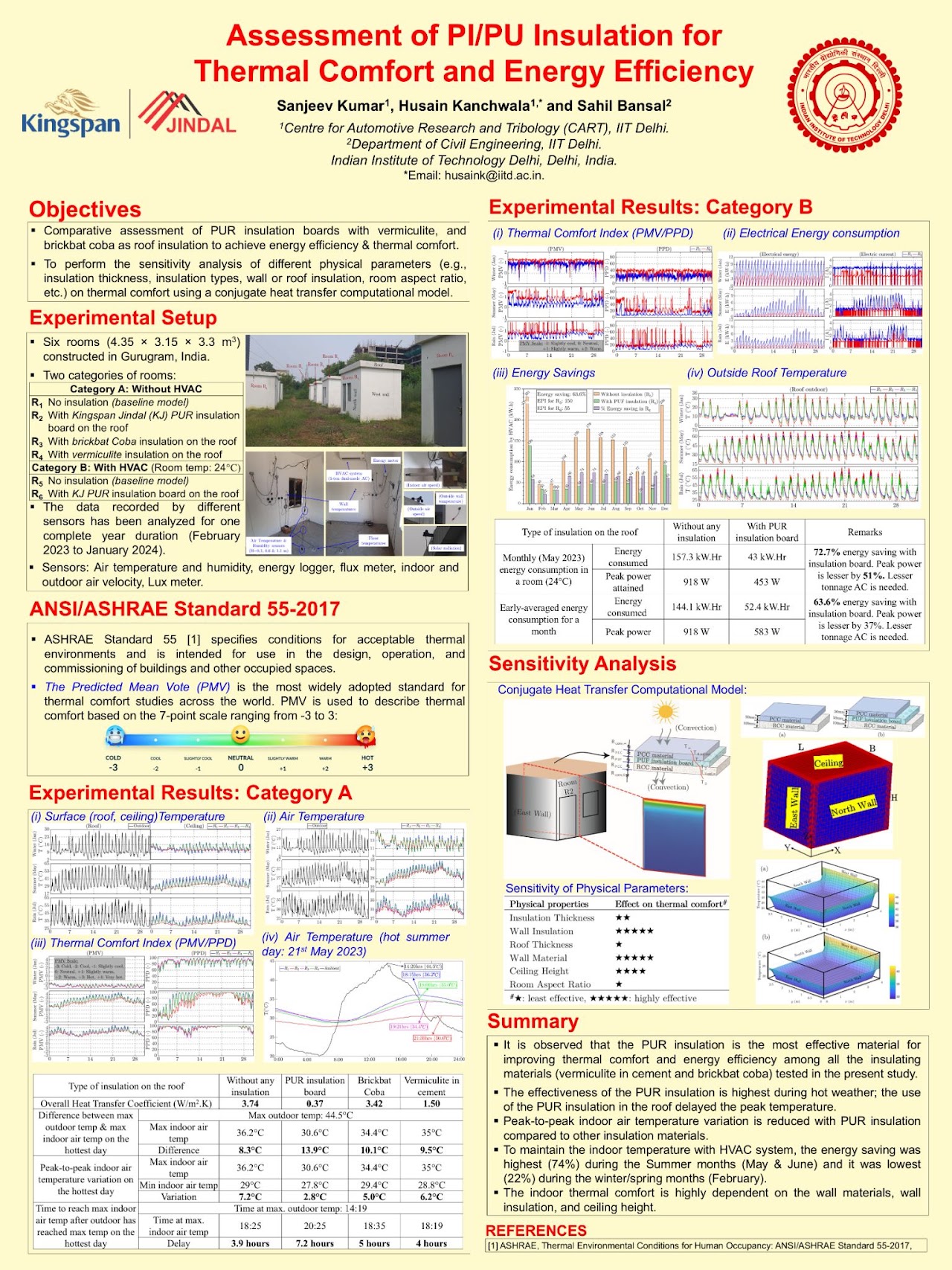
This research focuses on the comparative assessment of PUR insulation boards, vermiculite, and brickbat coba as roof insulation systems for improving the energy efficiency and thermal comfort of residential buildings. The study evaluates their thermal performance under different seasonal conditions, with the objective of identifying effective and practical insulation solutions for reducing indoor temperature fluctuations and cooling energy demand.
Click on the image for more details.