Glycans in Infectious diseases
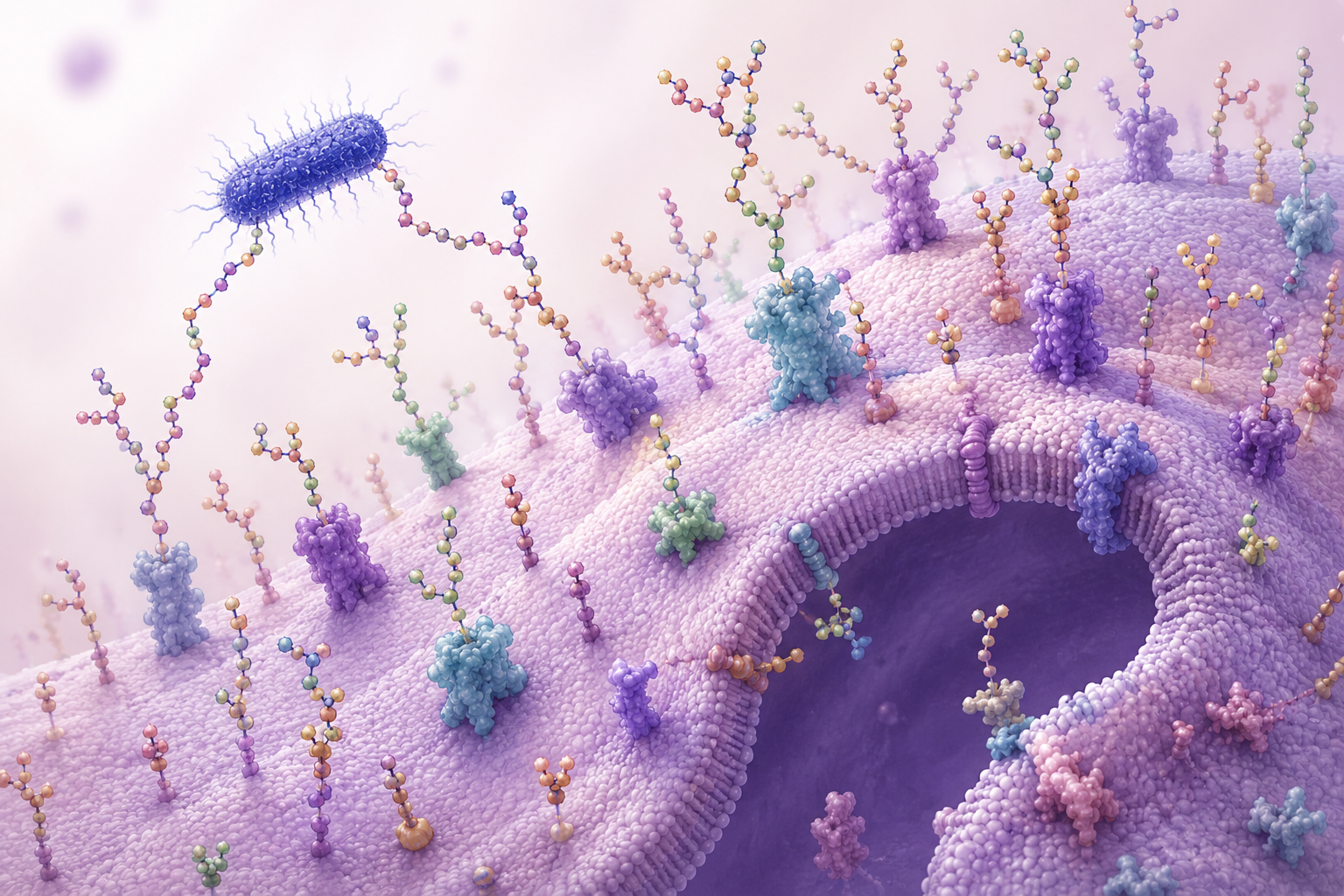
Glycans are ubiquitous at the host–pathogen interface, decorating the surfaces of host cells, bacterial cells, and many bacterial toxins. These complex carbohydrates play critical roles in pathogen recognition, tissue colonization, immune evasion, and disease progression. Depending on the biological context, glycans can function as receptors, co-receptors, decoys, or protective barriers, making them active participants in the infection process. Our research focuses on understanding the role of glycans in infectious diseases such as tuberculosis, cholera, and typhoid. We investigate which and how host glycans, bacterial glycans, and glycan-binding proteins influence pathogen attachment, toxin activity, host susceptibility, and disease outcomes. Through these studies, we seek to uncover the molecular mechanisms by which glycans shape infection and pathogenesis.
Interfacial Dynamics and Multivalent Molecular Recognition
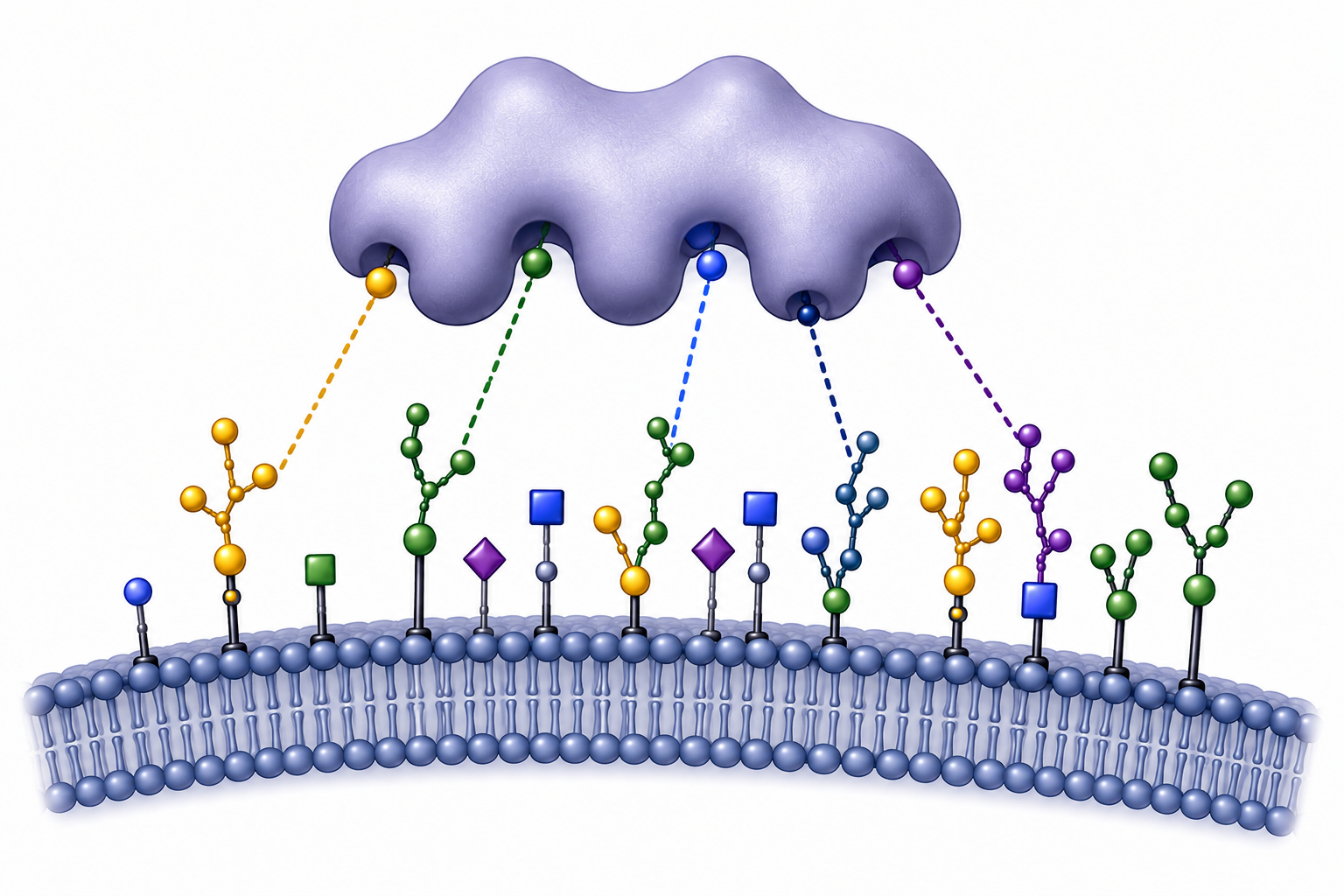
Biological recognition is governed not only by molecular identity but also by the physical environment in which interactions occur. Many host–pathogen interactions arise from multivalent binding, where numerous weak interactions cooperate to generate strong and highly specific adhesion. However, the physical principles governing these collective interactions remain poorly understood. Our research investigates how membrane fluidity, ligand mobility, receptor density, membrane curvature, and transport processes regulate molecular recognition at biological interfaces. Using model membrane systems, quantitative experimental platforms, plasmonics-based sensing technologies, and theoretical modeling, we aim to establish predictive principles that connect molecular-scale interactions to biological function. These studies provide a quantitative framework for understanding how interfacial phenomena influence infection, cellular recognition, and biomolecular assembly.
Translational Bioengineering
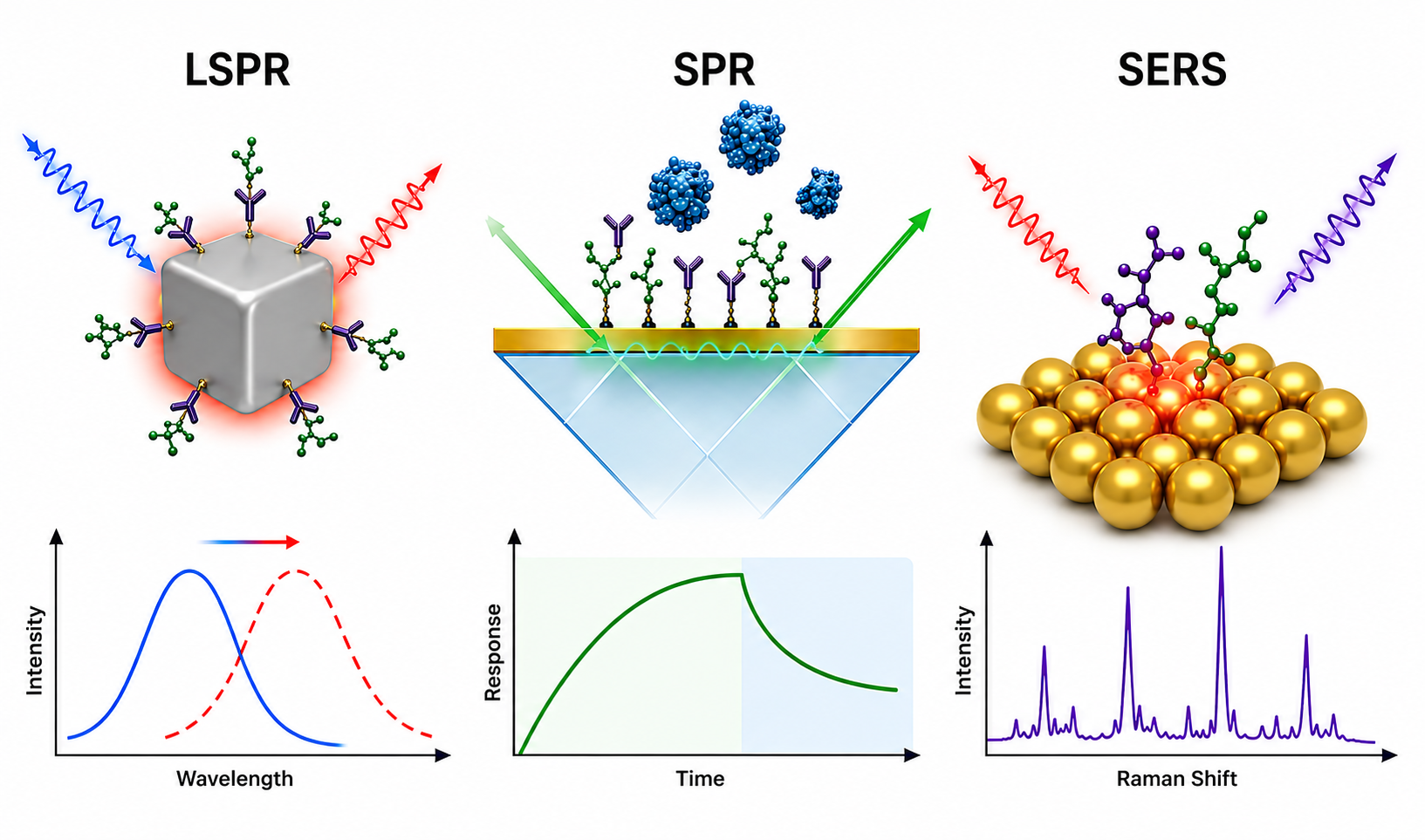
Insights from our studies of glycans and molecular recognition are translated into engineering solutions for infectious disease diagnostics and therapeutics. We develop highly sensitive biosensing platforms based on plasmonic technologies, including localized surface plasmon resonance (LSPR), surface plasmon resonance (SPR), and surface-enhanced Raman spectroscopy (SERS), to enable early disease detection and molecular profiling. We also engineer targeted therapeutic delivery systems that exploit selective recognition mechanisms at the host–pathogen interface. By integrating advances in glycobiology, nanotechnology, and chemical engineering, our goal is to develop next-generation technologies that improve the detection, monitoring, and treatment of infectious diseases.