 Prof. Aloka Sinha
Research
At the Liquid Crystal Research Laboratory, IIT Delhi we are currently focusing on the studies related to nematic liquid crystals (NLCs), the bent-core liquid crystals (BLCs), Ferroelectric liquid crystals (FLCs), their nano-composites, and the design and development of several LC-based optical devices and sensors. A few areas of research are discussed in brief in the following sections.
Liquid crystal (LCs) is a state of matter intermediate between the crystalline solid and the isotropic liquid states, and they have several interesting electrical and optical properties. Liquid crystal materials are often characterized into three principal classes, e.g., thermotropic, lyotropic and polymeric LCs. Our research interest is in thermotropic and polymeric LCs. Among these classes thermotropic LCs are most popular and they are widely studied for their unique optical anisotropic properties. They exhibit different LC phases depending on the variation of temperature. They are further distinguished by their molecular shape, of which the most common are rod-like (calamitic) and disc-like LCs. Recently, a new class of LCs have emerged, based on their unusual shape, called the bent-core (banana shaped) LCs. An exquisite feature of the bent core thermotropic liquid crystal is a relatively rigid, polarizable core, with flexible chains on the side. According to the positional and directional arrangement of the molecules, there are three main classes of thermotropic liquid crystals namely, the nematic (N), the cholesteric (N*), and the smectic (Sm) LCs.

Generally, LCs are divided into three major categories based on their molecular shape - Calamitic LCs with rod-like molecular shape, Discotic LCs with disc-like shape, and the latest inclusion in this sequence called the bent core LCs with banana-like shape.
Liquid Crystal-Based Optical Devices for Beam Steering, Attenuation, and Sensing
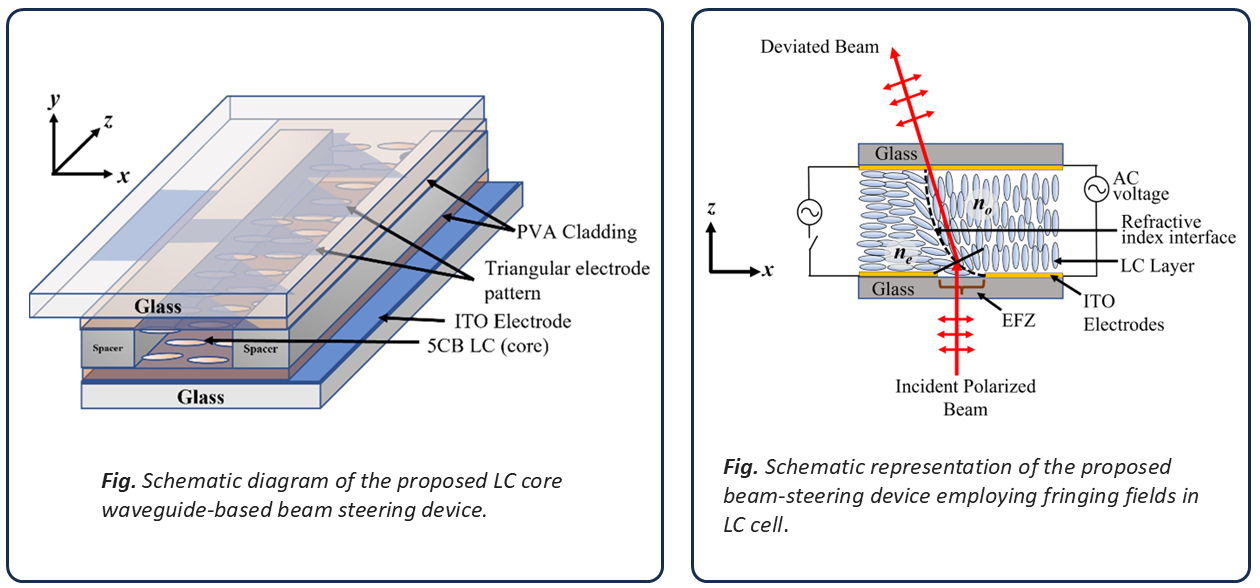
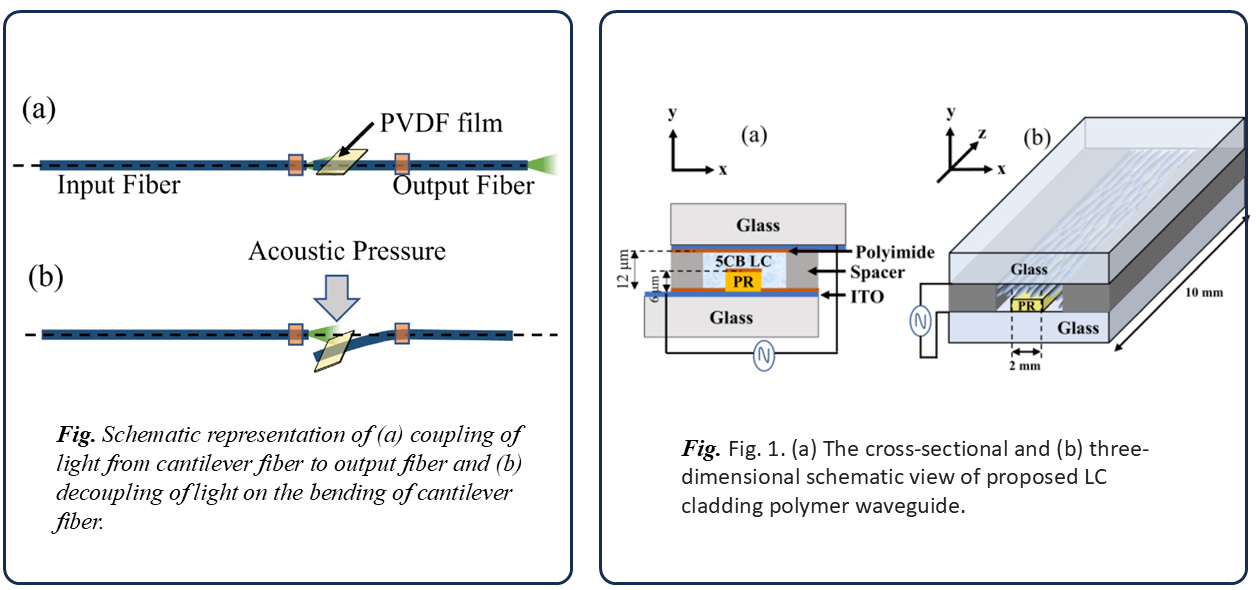
Liquid crystals (LCs) have emerged as a versatile class of materials for developing tunable photonic devices, owing to their anisotropic optical properties and strong electro-optic response. Their ability to modulate refractive index under low-voltage electric fields makes them ideal for integration into compact, non-mechanical optical systems. Among the most impactful implementations are beam steering devices, where liquid crystals embedded in planar waveguides allow precise, continuous control of light direction. One such approach involves inducing spatial refractive index gradients in the LC core using patterned electrodes. This enables voltage-controlled beam deflection without moving parts, with steering angles reaching several degrees for both TE and TM polarizations. The technique eliminates bulk optics or mirrors and is well suited for applications in LiDAR and optical interconnects. Liquid crystals also serve as effective cladding materials in multimode waveguides to construct low-threshold optical attenuators. By modulating the absorption and scattering characteristics of guided modes through electric field tuning, a notable extinction ratio can be achieved at just a few volts. This paves the way for compact, energy-efficient modulators and optical switches. Beyond modulation, LC-photonic structures extend into the sensing domain. A novel design integrates a polymer film with an optical fiber-cantilever system to build a low-frequency acoustic sensor. Here, the cantilever mechanically amplifies pressure-induced vibrations, which are then detected via optical interference. The resulting sensor demonstrates high sensitivity in the low-frequency regime, potentially useful in structural health monitoring or biomedical diagnostics. Together, these works highlight the breadth of applications enabled by electrically tunable liquid crystal optics—from active beam control and light attenuation to sensitive acoustic detection—underscoring their promise in reconfigurable and miniaturized photonic systems.
References
- D. Kararwal, R. Panchal, A. Sinha, "A continuous plane of polarization rotator and detector based on the liquid crystal Θ-cell", Optics & Laser Technology 182, 112138, 2025.
- R. Panchal, A. Sinha, "Electrically controlled flexible and varifocal microlens array using liquid crystals on polymer", Journal of Physics D: Applied Physics 58 (9), 095303, 2024.
- R. Panchal, A. Sinha, "Polymer Film Integrated Optical Fiber-Cantilever-Based Highly Sensitive Low-Frequency Acoustic Sensor", IEEE Sensors Journal 23 (22), 27146-27153, 2023.
- R. Panchal, A. Sinha, "Non-mechanical multidirectional optical beam steering using fringing fields in liquid crystals", Journal of the Optical Society of America B 40 (5), 1189-1195, 2023.
- R. Panchal, A. Sinha, "Electrically controlled continuous laser beam steering in a liquid crystal based electro-optic waveguide", Optics & Laser Technology 158, 108816, 2023.
- R. Panchal, A. Sinha, "Low threshold optical attenuator based on electrically tunable liquid crystal cladding waveguide", Optics Communications 513, 128089, 2022.
- R. Panchal, A. Sinha, "Liquid Crystal Clad Polymer Waveguide based Electro-Optic Attenuator", 2021 26th Microoptics Conference (MOC), 1-2
Liquid Crystal Waveguide Devices for Dynamic Polarization Control and Mode Engineering
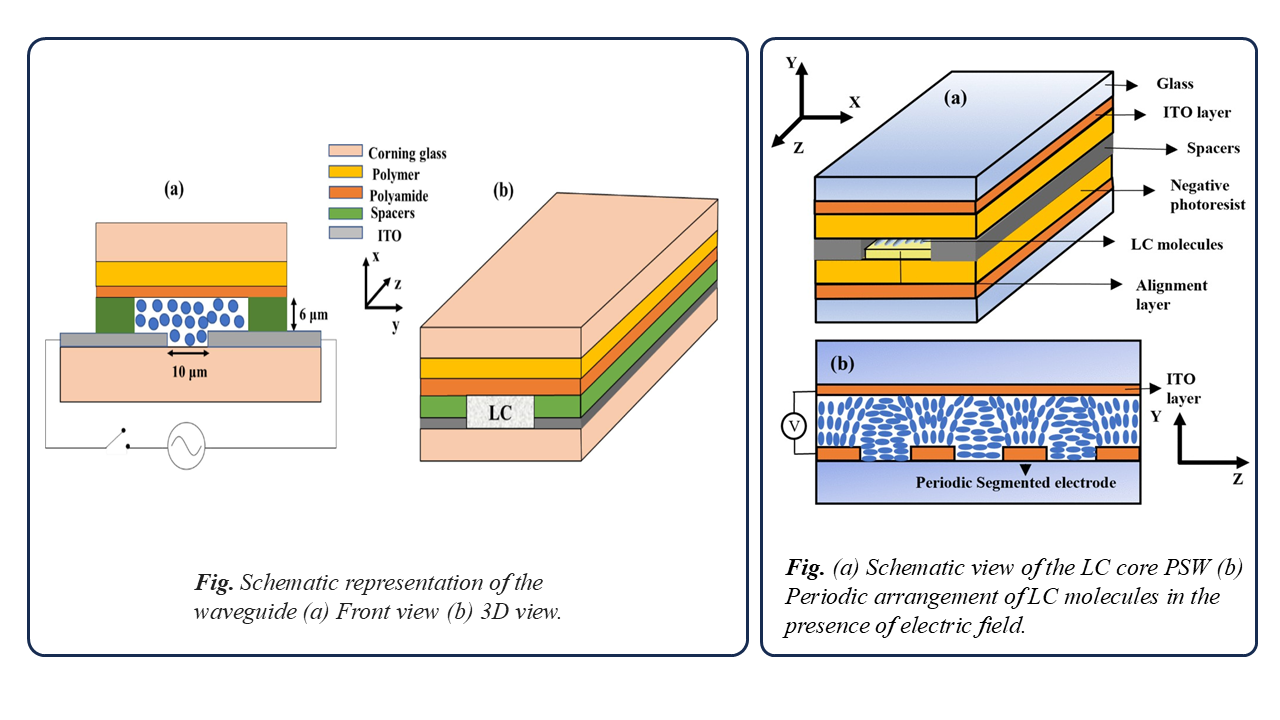
Liquid crystals (LCs) have long been recognized for their unique electro-optic properties, making them ideal candidates for developing tunable and reconfigurable photonic devices. Their inherent anisotropy and responsiveness to external electric fields enable dynamic control over light propagation, polarization, and mode characteristics, which are crucial for advanced optical communication systems and integrated photonic circuits. In the pursuit of low-power optical switching and polarization control, researchers have explored LC-based channel waveguides. By employing in-plane switching configurations on indium tin oxide (ITO)-coated glass substrates, these waveguides achieve low threshold voltages for switching operations. Such configurations have demonstrated high extinction ratios and low insertion losses, making them effective for TE/TM polarization selection with excellent polarization extinction ratios. Addressing the challenge of mode size mismatch in photonic integrations, periodically segmented LC core waveguides have been developed. These structures allow dynamic tuning of effective refractive indices and mode sizes through applied voltages. Experimental studies have shown that adjusting the duty cycle and voltage can optimize coupling efficiency between the LC waveguide and single-mode fibers, facilitating efficient light transfer in photonic circuits. For polarization beam splitting applications, an innovative design involves sandwiching a nematic LC layer between two equilateral prisms. This configuration operates in dual modes: a non-splitting mode and a polarization-splitting mode, controlled by external voltages. The device exhibits bistability, large splitting angles, and a wide operating range, offering a flexible and cost-effective solution for polarization management in optical systems. Collectively, these advancements underscore the versatility of liquid crystals in photonic device engineering. Their integration into waveguide structures paves the way for compact, energy-efficient, and dynamically controllable optical components, essential for the next generation of photonic technologies.
References
- V. Sharma, R. Suthar, S. Karak, A. Sinha, "Achieving High Efficiency in Luminescent Solar Concentrators Using Polymer Stabilized Cholesteric Liquid Crystal", ACS Applied Optical Materials, 2025.
- V. Sharma, A. Sinha, "Liquid Crystal Purity Detection Using Surface Plasmon Resonance Phenomena", Plasmonics, 1-17, 2024.
- V. Sharma, A. Sinha, "Liquid crystal-based electrically controlled polarization beam splitter for controlling the logic gate operations", 2023 IEEE Photonics Conference (IPC), 1-2
- V. Sharma, A. Sinha, "Electrically controlled dual-mode polarization beam splitter using a nematic liquid crystal", Optics Letters 48 (9), 2357-2360, 2023.
- V. Sharma, A. Sinha, "Low threshold electro-optic switch and TE/TM polarization selector using liquid crystal channel waveguide", Optics & Laser Technology 159, 108987, 2023.
- V. Sharma, A. Sinha, M.R. Shenoy, "Mode Size Converter Based on Periodically Segmented Liquid Crystal Core Waveguide", Journal of Lightwave Technology 40 (14), 4728-4734, 2022.
Light scattering devices from Liquid Crystal Polymer Composites
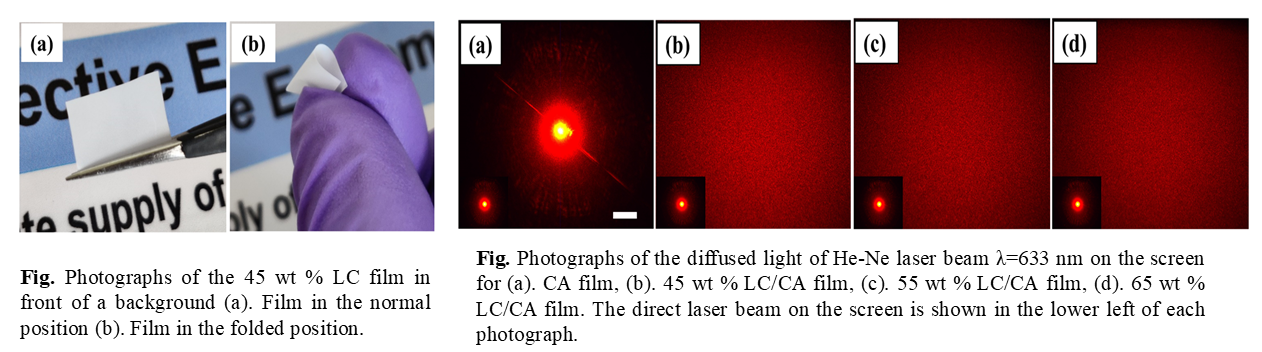
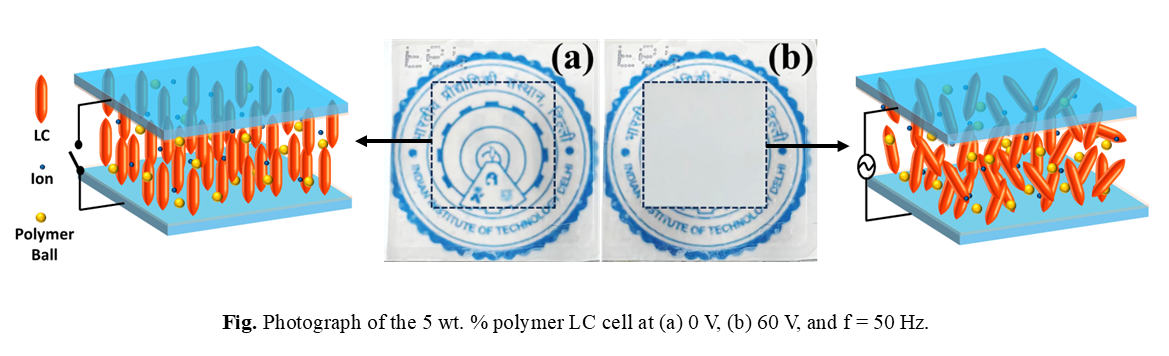
A free-standing optical diffuser film is developed using the nematic LC and cellulose bio-polymer. The high haze value (≈99 %) and full width at half maximum of the angular distribution of the transmitted light, similar to the Lambertian distribution, is achieved through the optimization of the LC concentration with the polymer.
Electrically tunable light scattering device fabricated from the negative dielectric anisotropy LC (nLC) incorporated with the pseudopeptide polymer. The light-scattering properties of the polymer content nLC in the EHDI state are significantly enhanced due to the enhancement of the electrical properties and the presence of the polymer sphere, which acts as additional scattering centers.
References
- R. Kushawaha and A. Sinha, J. Phys. D: Appl. Phys. 55, 285303 (2022)
- R. Kushawaha, S. Jawla, V. Haridas and A. Sinha, J. Mater. Chem. C 12, 19631-19642 (2024)
- R. Kushawaha, S. Jawla, V. Haridas and A. Sinha, ACS Appl. Opt. Mater. 3, 1, 112–124 (2025)
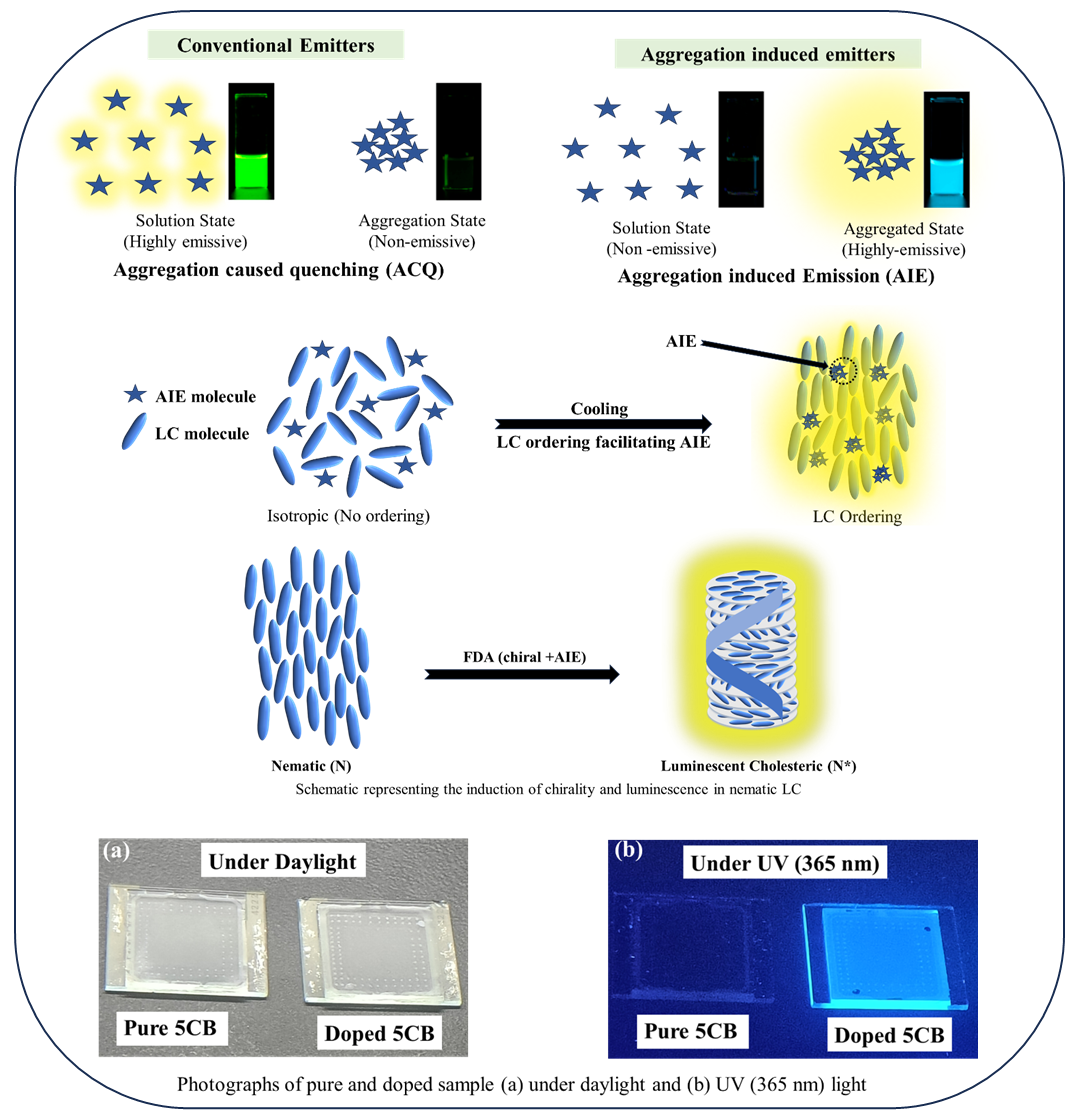
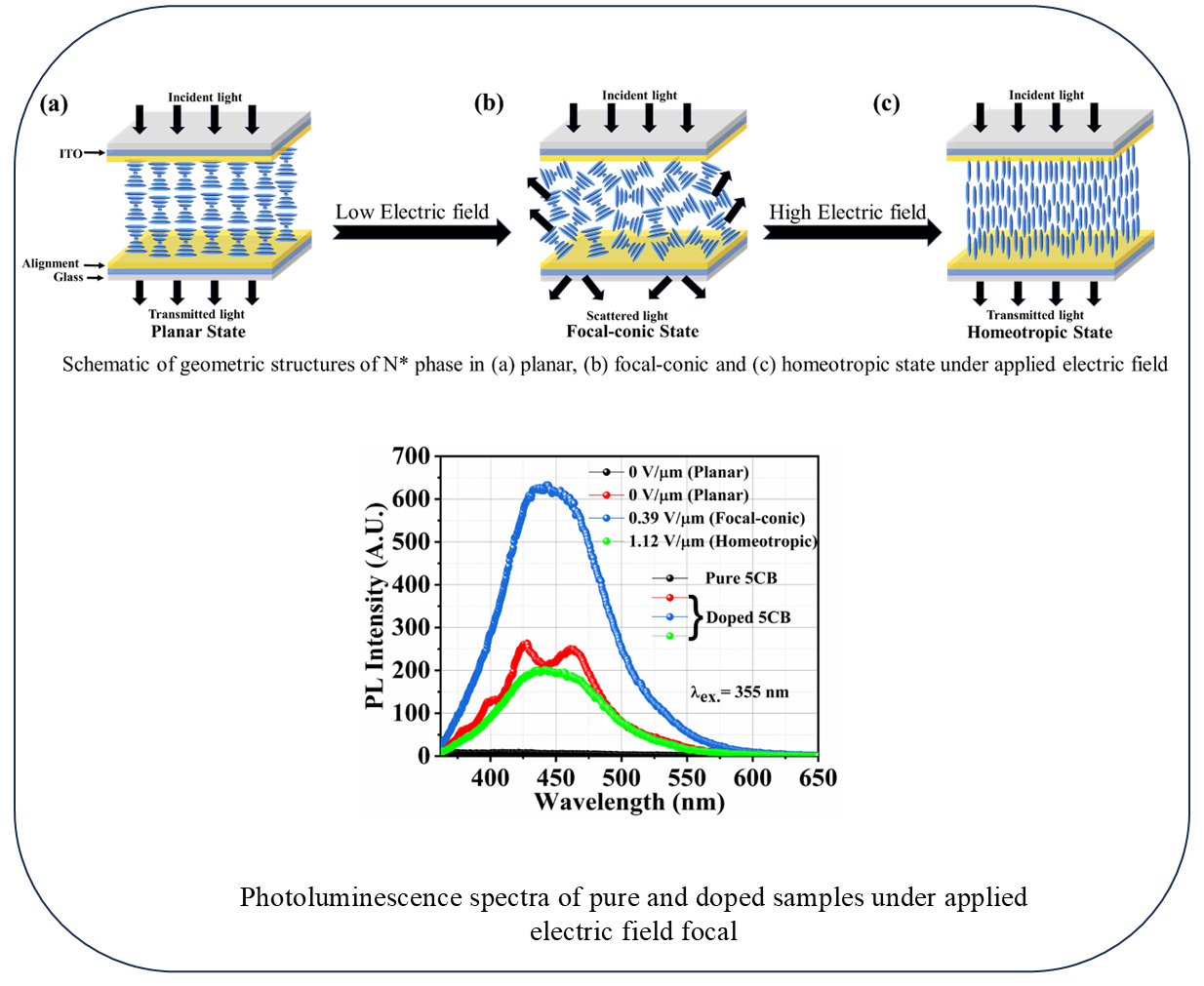
Designing luminescent liquid crystal using AIE-active chiral dopant
References
- Verma, D.; Maurya, G. P.; Jawla, S.; Haridas, V.; Sinha, A. ACS Appl. Opt. Mater., 2 (11), 2286–2293, 2024.
- Verma, D.; Punjani, V.; Mohiuddin, G.; Sinha, A. J. Mol. Liq., 385, 122241, 2023.
Smart Polymer Composites for Flexible Energy Harvesting and Sensing Devices
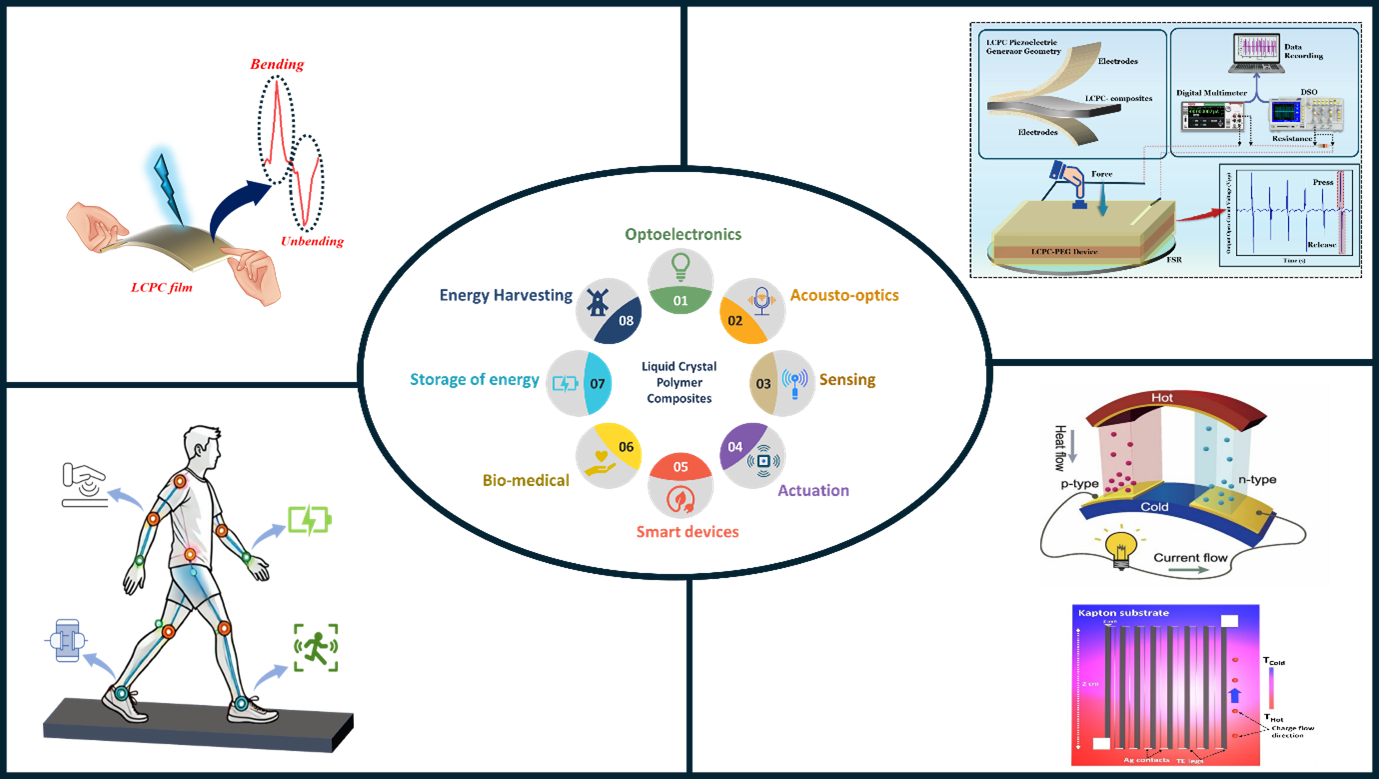
Our recent endeavours in the field of energy harvesting device design are centered on developing advanced liquid crystal (LC)-based polymer composites for efficient and flexible energy solutions. By integrating functional LCs into organic polymer matrices, we tailor material properties to enhance flexoelectric, piezoelectric, and triboelectric properties of the composite devices, enabling the innovation of lightweight, adaptable, and high-performance sustainable energy devices for next-generation small power applications. Our recent research focusing on study of flexoelectric properties of the liquid crystal-based polymer composites explores the hidden potential of such composite systems which may find tremendous potential in sustainable organic flexible NEMS and MEMS applications. Further, our research also explores organic thermoelectric materials, where strategic composite engineering improves charge transport and thermal-to-electric conversion efficiency in polymer-based systems. Additionally, our group studied the effect of different active organic peptide-incorporated polymer composites, combining biocompatibility with enhanced electromechanical properties to realize sustainable and environmentally friendly energy harvesting platforms. In parallel to this, we are actively working on flexible multifunctional sensing devices capable of detecting mechanical stimuli with high sensitivity and reliability, making them ideal for wearable and smart system integration. Through a multidisciplinary approach, our lab aims to push the boundaries of clean, flexible, and smart energy technologies for real-world applications in sensing, actuation, and micro-power generation.
Reference
- S. Patranabish, S. Dhawan, V. Haridas, A. Sinha, Designer Peptide-PVDF Composite Films for High-Performance Energy Harvesting, Macromol. Rapid Commun., 43, 2200493, 2022.
- A. Kumari, A. Ghosh, B. R. Mehta, A. Sinha, Synergetic Enhancement of Seebeck Coefficients and Electrical Conductivity in Flexible Liquid Crystal Composites, ACS Sustainable Chem. Eng., 11, 10, 4226–4236, 2023.
- K. J. Bora, A. Sinha, Synergetic Improvement of Flexoelectric Coefficient in Liquid Crystal Embedded Flexible PVDF Polymer Composite for Energy Harvesting Applications. Macromol. Rapid Commun., 45, 2400148, 2024.
Engineering Thermotropic Liquid Crystals via Quantum Dots Dispersion for Tailored Physical Properties
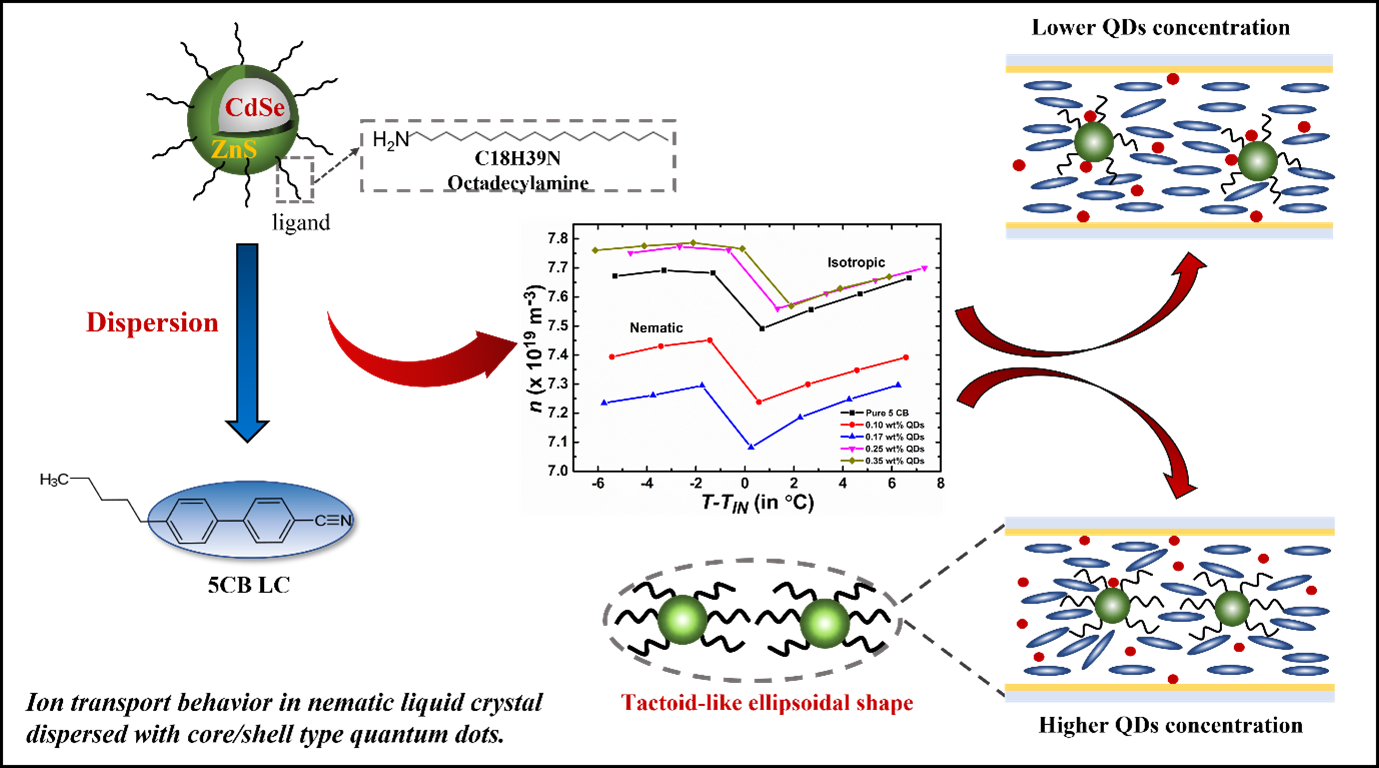
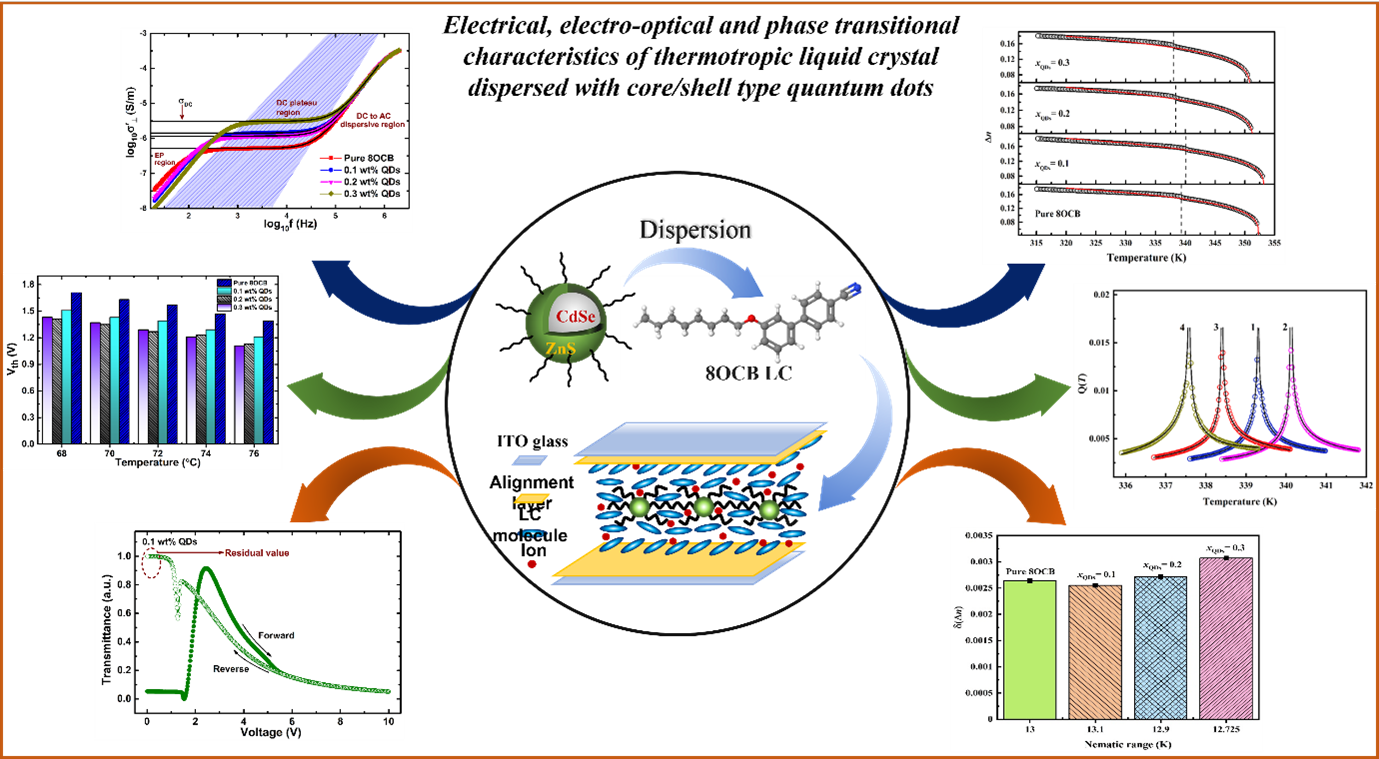
The current advancements in developing new liquid crystalline materials for the next generation applications focus mainly on improving the physical characteristics of the liquid crystal (LC) systems. One promising approach is incorporating functionalized nano-particles, which can tailor LC behavior through host-guest interactions. In our study, we explored the influence of quantum dots (QDs) dispersion on the physical properties of thermotropic LCs, specifically 5CB and 8OCB LCs. Our findings indicate that the effective interaction between the mesogenic molecules and ligands of QDs significantly affects the dielectric, electrical, electro-optical and phase transitional characteristics of LCs as a function of QDs dispersing concentration. These experimental findings elucidate the selection of optimal QD concentration based on the required properties for their potential applications in futuristic devices based on LCs.
References
- A. Rani, A. Sinha, "Enhanced dielectric, electrical and electro-optical properties: Towards understanding the interaction in mesophases of 8OCB liquid crystal dispersed with CdSe/ZnS quantum dots", Journal of Molecular Liquids 398, 124201, 2024.
- A. Rani, S. Chakraborty, A. Sinha, "Effect of CdSe/ZnS quantum dot dispersion on phase transitional behavior of 8OCB liquid crystal", Physical Review E 108 (3), 034701, 2023.
- A. Rani, S. Chakraborty, A. Sinha, "Effect of CdSe/ZnS quantum dots doping on the ion transport behavior in nematic liquid crystal", Journal of Molecular Liquids 342, 117327, 2021
Liquid crystal-based interferometer for non-invasive surface metrology
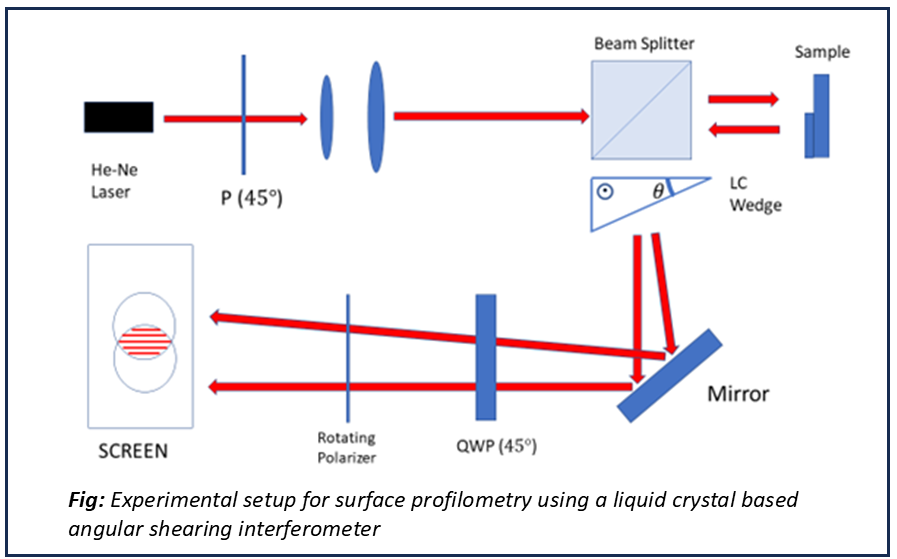
Optical profilometry has gained significant interest in the field of metrological techniques due to their non-invasive nature. Such methods are highly desirable for biological samples where methods like SEM, TEM can not be used since they bombard the sample with high energy electron beams which damage the biological samples. On the other hand, the use of optical profilometry is totally non-invasive and provides good accuracy at the same time. However, these measurements require bulky interferometric setups with a good number of optical components as well as mechanical components. The introduction of liquid crystal in optical interferometers can potentially lead to designs of simpler and more efficient interferometers. In our lab, we have designed a tunable angular shearing interferometer using a liquid crystal cell and demonstrated its application in surface profilometry (Optics Letters, Vol. 49, Issue 7). Such techniques show great promise for applications in optical components testing and nano-manufacturing quality control where fast, precise, and non-invasive metrology tools are increasingly in demand.
Reference
D. Bag, S. Chakraborty, A. Sinha, "Nanoscale surface metrology with a liquid crystal-based phase-shifting angular shearing interferometer", Optics Letters 49 (7), 1705-1708, 2024
Bent core Liquid crystals
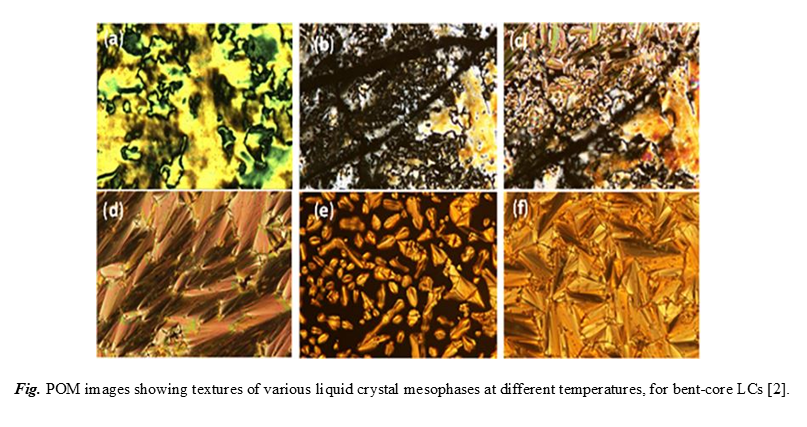
A bent-core LC (BLC) molecule can be realised when two rod like arms are joined with a bend unit - the arms can be symmetric and asymmetric as well. The attractive features of BLCs include polarity and chirality which are elusive in an LC system. BLCs become more attractive due to their potential use in smart displays, photonic devices and electro-optic applications with fast switching properties. BLCs exhibit cybotactic nature in their Nematic phase, which can be verified using several techniques such as dielectric spectroscopy, X-ray diffraction observations, to name a few.[2] In recent years, we have studied several bent-core LC systems experimentally at our laboratory, and we are also working on theoretical investigation of these systems with an aim to bridge the gap between experiments and theory.
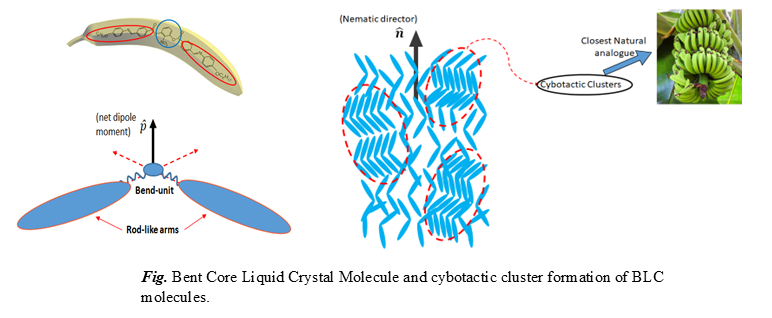
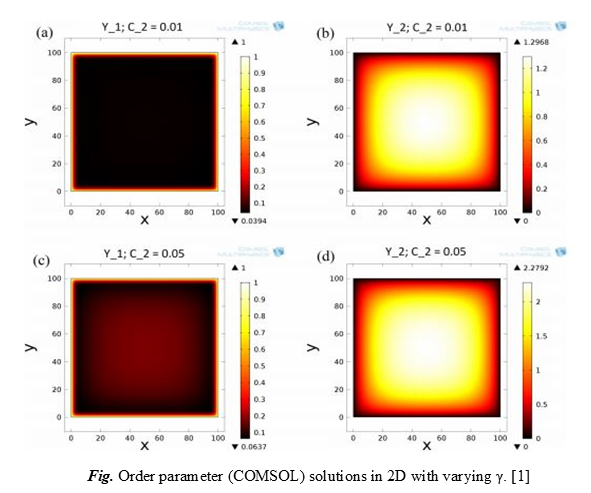
Recently, we have investigated, theoretically, a bent-core LC system in its nematic (N) phase using the one-dimensional Landau-de Gennes model of spatially inhomogeneous order parameters. These bent-core LCs are quite famous for exhibiting cybotactic clusters which are interesting and have possible advantages over existing nematic LCs. We demonstrated how spatial confinement, and the coupling (γ) between clusters and surrounding molecules effect the macroscopic molecular ordering (in terms of the order parameters). [1] We could also show that γ enhanced the formation of cybotactic clusters.
Doping of nano-particles in liquid crystalline systems
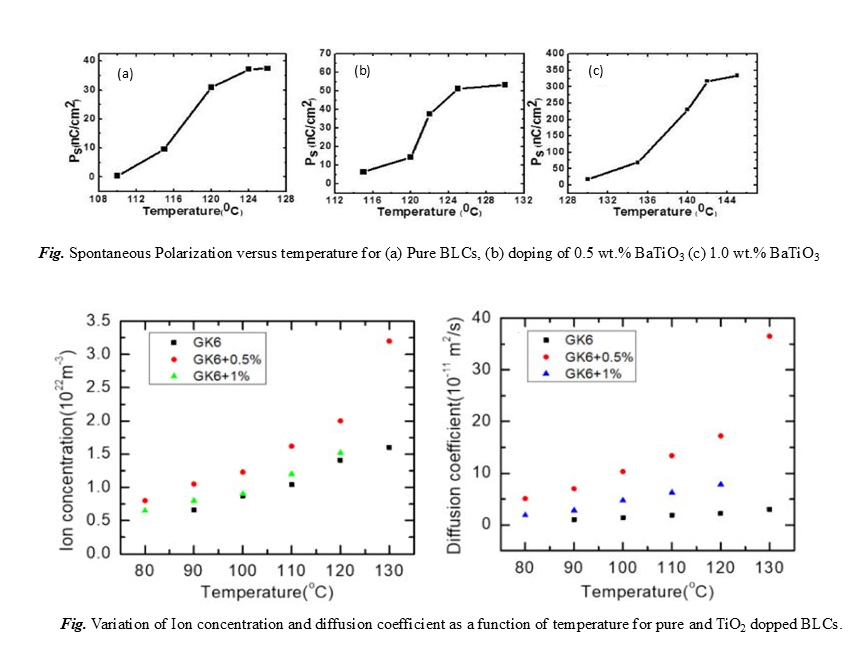
The dispersion of different nano-particles (NPs) in LC host has become one of the most sought-after research area of LCs in the last two decades. It is expected that on dispersion, the NPs may share their intrinsic properties with the liquid crystal host and can significantly alter the thermal and electro-optical behaviour of LCs. In recent years we have investigated several LC systems doped with nano-particles of varying shapes, sizes and physical properties. The doping of BaTiO3 NPs in bent-core LCs has shown enhancement in spontaneous polarization with doping concentration [6], while with TiO2 NPs an increase in ion concentration and dielectric permittivity was realized [7]. Further research is in progress and many interesting properties and phenomena are expected from the ongoing experiments.
Ferroelectric liquid crystal:
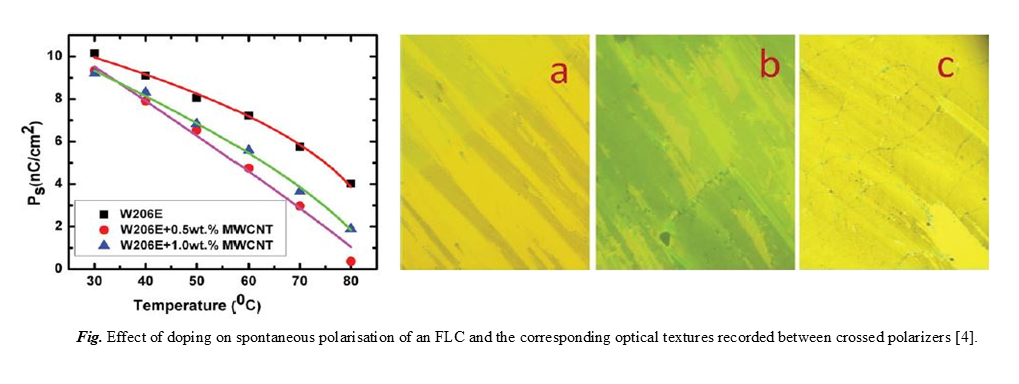
All of the chiral smectic phases with tilted structure exhibit ferroelectric properties. Due to their low symmetry, they are able to exhibit spontaneous polarization and piezoelectric properties and are known as ferroelectric liquid crystals. The study of ferroelectric liquid crystals (FLCs) has developed into a rapidly growing multidisciplinary field involving physicists, electrical and computer engineers, and chemists. We are also actively working in different FLC systems and also with systematic doping of these FLCs to tailor the macroscopic properties as per requirement [4].
References
- Sourav Patranabish, Yiwei Wang, Aloka Sinha and Apala Majumdar, “One-dimensional theoretical analysis of coupling and confinement effects on the cybotactic clusters of bent-core nematic liquid crystals”, Phys. Rev. E., 012703, 2019.
- Sourav Patranabish, Golam Mohiuddin, Nazma Begum, Atiqur R. Laskar, Santanu K. Pal, N. V. S. Rao and Aloka Sinha, "Cybotactic Nematic Phase of Achiral Unsymmetrical Bent-Core Liquid Crystals - Quelling of Polar Ordering and the Influence of Terminal Substituent Moiety", J. Mol. Liq., 257, 144-154, 2018.
- Amina Nafees, Aloka Sinha, and Nandiraju V. S. Rao, “Cybotactic clusters seen in the nematic phase of four-ring achiral bent-core liquid crystal by dielectric spectroscopy,” Integrated ferroelectrics, 185, 61-64, 2017.
- Pradeep Kumar and Aloka Sinha, “Electro-optical properties of carbon nanotubes doped ferroelectric liquid crystal", Integrated Ferroelectrics, 186, 71-76, 2018.
- Amina Nafees, Aloka Sinha, and Nandiraju V. S. Rao, “Cybotactic clusters seen in the nematic phase of four-ring achiral bent-core liquid crystal by dielectric spectroscopy,” Integrated ferroelectrics, 185, 61-64, 2017.
- Pradeep Kumar, S. Debnath, N.V.S. Rao, and Aloka Sinha, “Nanodoping: a route for enhancing electro-optic performance of bent core nematic system”, J. Phys.: Condens. Matter, 30, 095101, 2018.
- Amina Nafees, Gayatri Kalita and Aloka Sinha, “Effect of titanium dioxide nanoparticles on the dielectric and electro-optical properties of bent-core liquid crystals”, J. Mol. Liq., 274, 592–597, 2019.
Ion transport behaviour in nematic liquid crystal dispersed with quantum dots
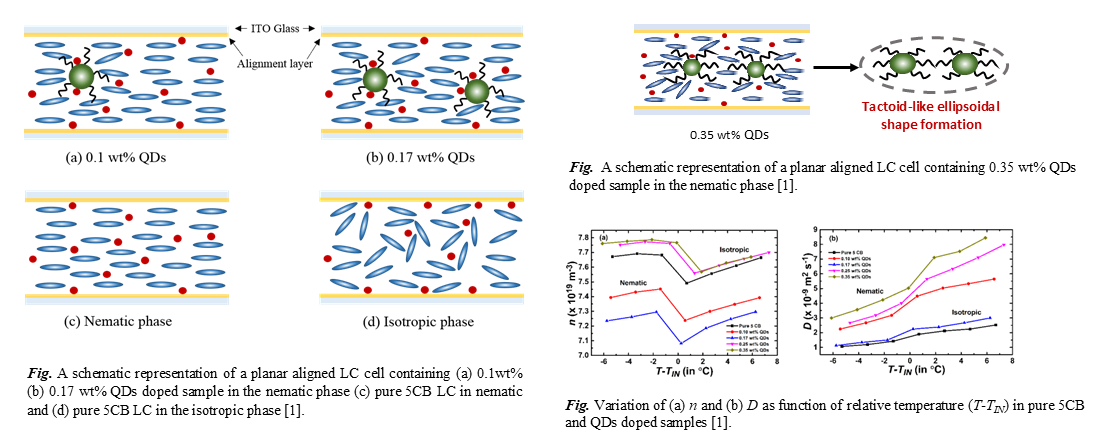
The presence of ions in liquid crystals (LCs) can significantly alter the dielectric, electrical and electro-optic properties under the influence of an electric field. In recent years, the dispersion of nanoparticles (NPs) in nematic liquid crystals (LCs) have gained considerable interest and is regarded as the most feasible and suitable method to tune these properties. We have explored the effect of core/shell type CdSe/ZnS quantum dots (QDs) doped in the simplest nematic 5CB LC on the temperature-dependent ion transport and electrical properties with varying doping concentration using dielectric spectroscopy technique. QDs effectively traps the ions at low QDs doping concentration while the ion releasing phenomenon for the highly doped samples [1]. The effective interaction between QD ligands and 5CB molecules creates a tactoid-like ellipsoidal shape of the nanoparticles, enhancing the mobile ion density in the higher QDs doped samples [1].
References
1. Aysha Rani, Susanta Chakraborty and Aloka Sinha, “Effect of CdSe/ZnS quantum dots doping on the ion transport behavior in nematic liquid crystal”, J. Mol. Liq., 342, 117327, 2021.
Study of Polymer Dispersed Liquid crystal (PDLC) and design of PDLC Based Optical Devices
Polymer Dispersed Liquid Crystal
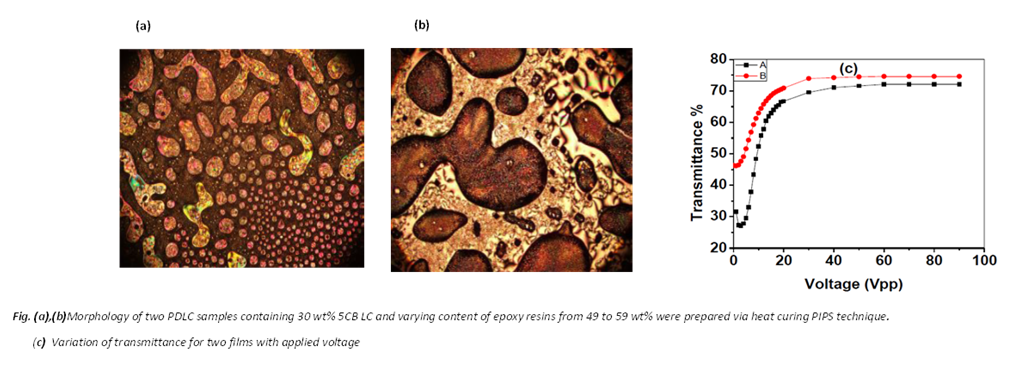
Dispersion of polymer in liquid crystal leads to a new kind of composite known as PDLCs that can be produced through various phase separation and emulsion techniques. It composed of micron size liquid crystal droplet encapsulated in the solid transparent polymer matrix. PDLCs are light scattering material in which the refractive index of the liquid crystal can be electrically modulated. PDLCs based devices do not require polarizer and have fast switching speed. Because of these properties, PDLCs are being extensively studied in the smart windows, electro-optics shutters, projection TV, flexible display, random laser and many more. We have recently started our work on PDLCs and have successfully fabricated a few working prototypes. Further research is in progress.
Scattering in PDLCs
If no electric field is applied, then LC molecules are partially aligned to each other within the PDLCs droplets and droplets are randomly oriented. When the suitable electric field is applied to the same material then the orientation of PDLCs droplet occurs. In this state, the degree of optical scattering reduces through the film, produces a transparent state.

The morphology of the PDLCs are shown in the follwoing images.
Pseudopeptidic Polymer Microsphere-Filled Liquid Crystals as High-Performance Light-Scattering Switches
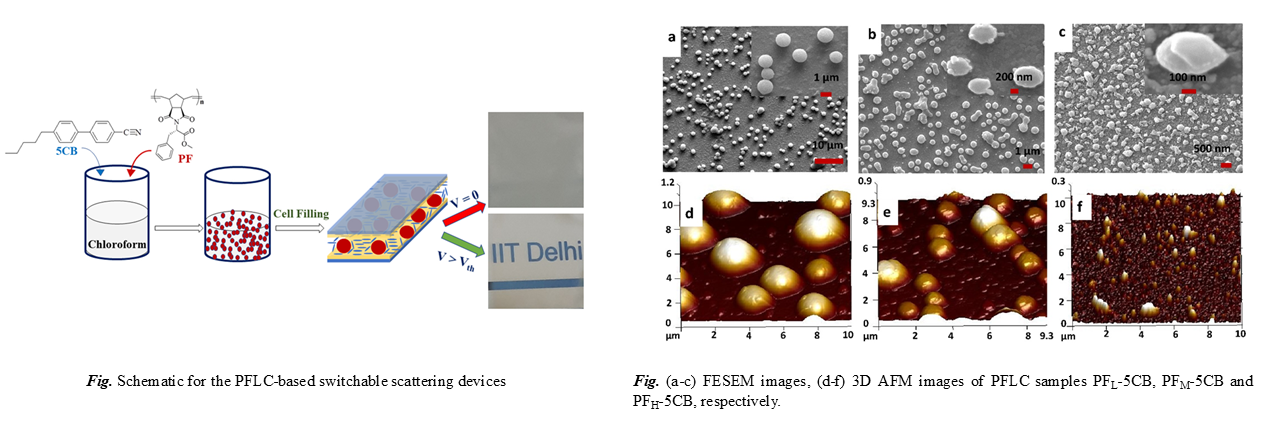
We, herein, report the fabrication of light-scattering switches from polymer microsphere-filled liquid crystals (PFLCs) using pseudopeptidic bottlebrush polymers. A simple method of precipitation of a polymer using the 4-cyano-4′-pentylbiphenyl (5CB) nonsolvent is employed for the preparation of PFLC devices. For this, a series of phenylalanine (Phe)-based bottlebrush polymers having different chain lengths are synthesized by ring-opening metathesis polymerization (ROMP) using the Grubbs second-generation ruthenium catalyst and used in a nematic liquid crystal (LC) matrix. The developed PFLC devices are well characterized using various ultramicroscopic techniques such as field-emission scanning electron microscopy (FESEM), atomic force microscopy (AFM), and polarizing optical microscopy (POM). For the first time, the effect of the molecular weight of a polymer on electro-optic (E-O) properties of PFLC is investigated. PFLCs show significant differences in microsphere size, required operating voltage, transmittance, contrast ratio (CR ratio), memory effect, and switching speed upon subtle variation of the dopant polymer units. Overall, we demonstrated that the chain length of a polymer plays a crucial role in controlling the performance of PFLC devices. The presented methodology offers promising possibilities for the fabrication of PFLC-based switchable scattering devices with improved performance for optoelectronic applications.
References
- Asha Kumari and Aloka Sinha, “Design and study of epoxy-based polymer dispersed liquid crystal for light shutters” International Conference on fiber Optics and Photonics, 12th – 15th December 2018.
- Asha Kumari, Sameer Dhawan, Hanuman Singh, V. Haridas*, and Aloka Sinha*, “Pseudopeptidic Polymer Microsphere-Filled Liquid Crystals as High-Performance Light-Scattering Switches” ACS Appl. Polym. Mater. 4 (1), 64-73 2021.